
Last updated November 15, 2026
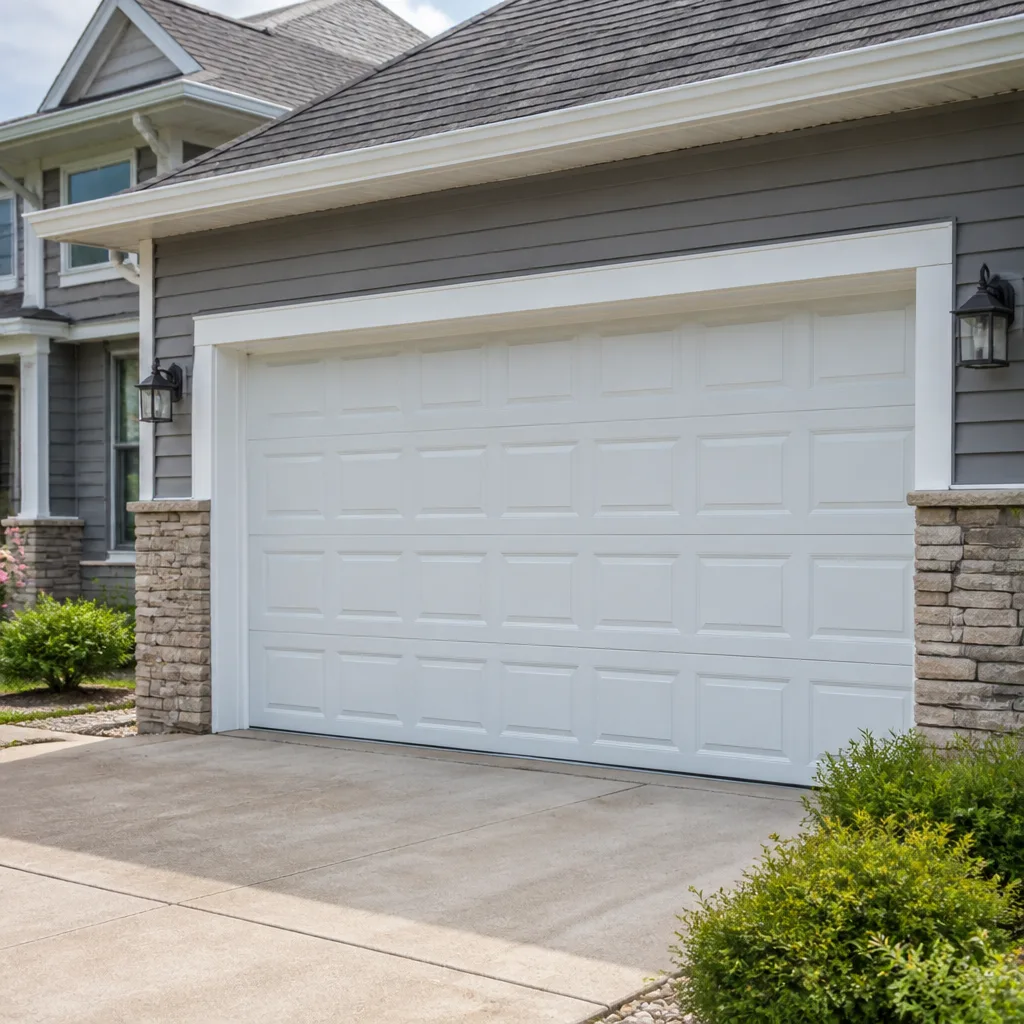 Raised-panel steel
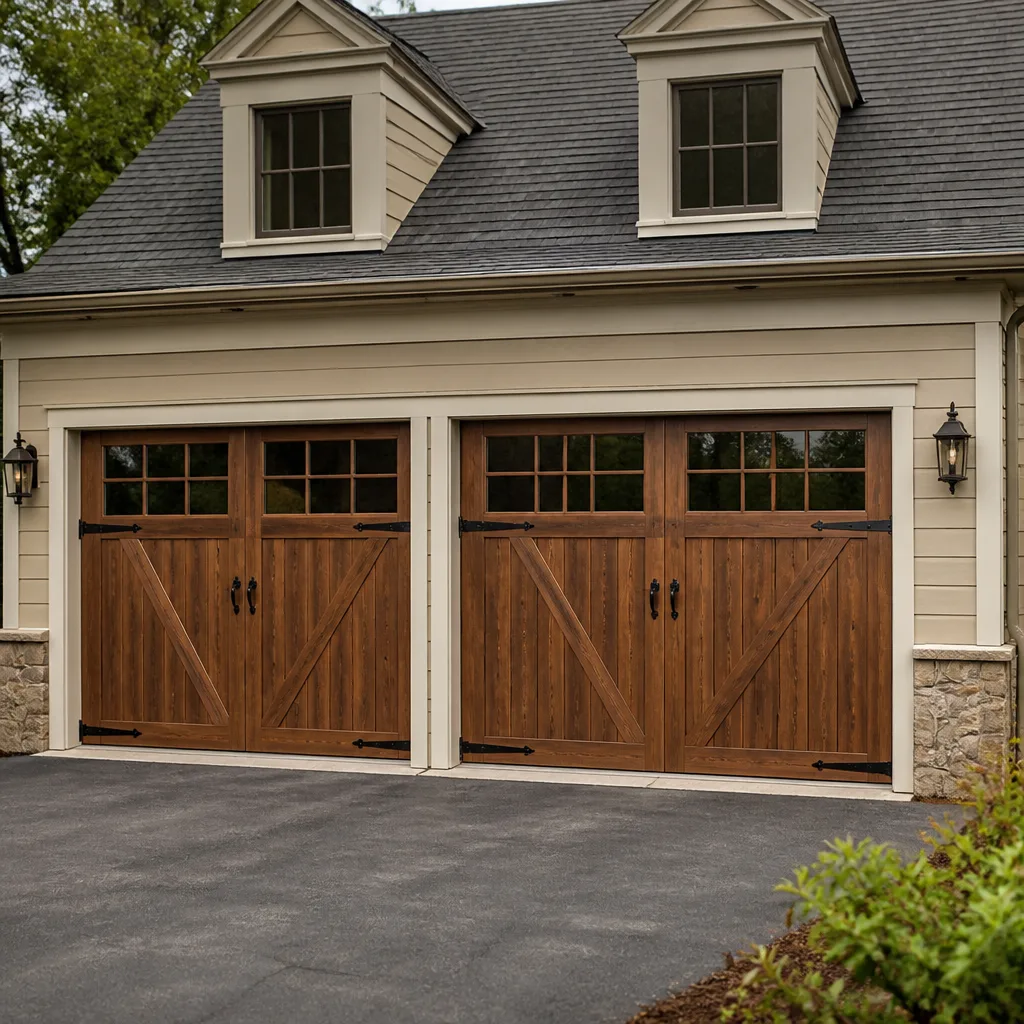 Carriage house
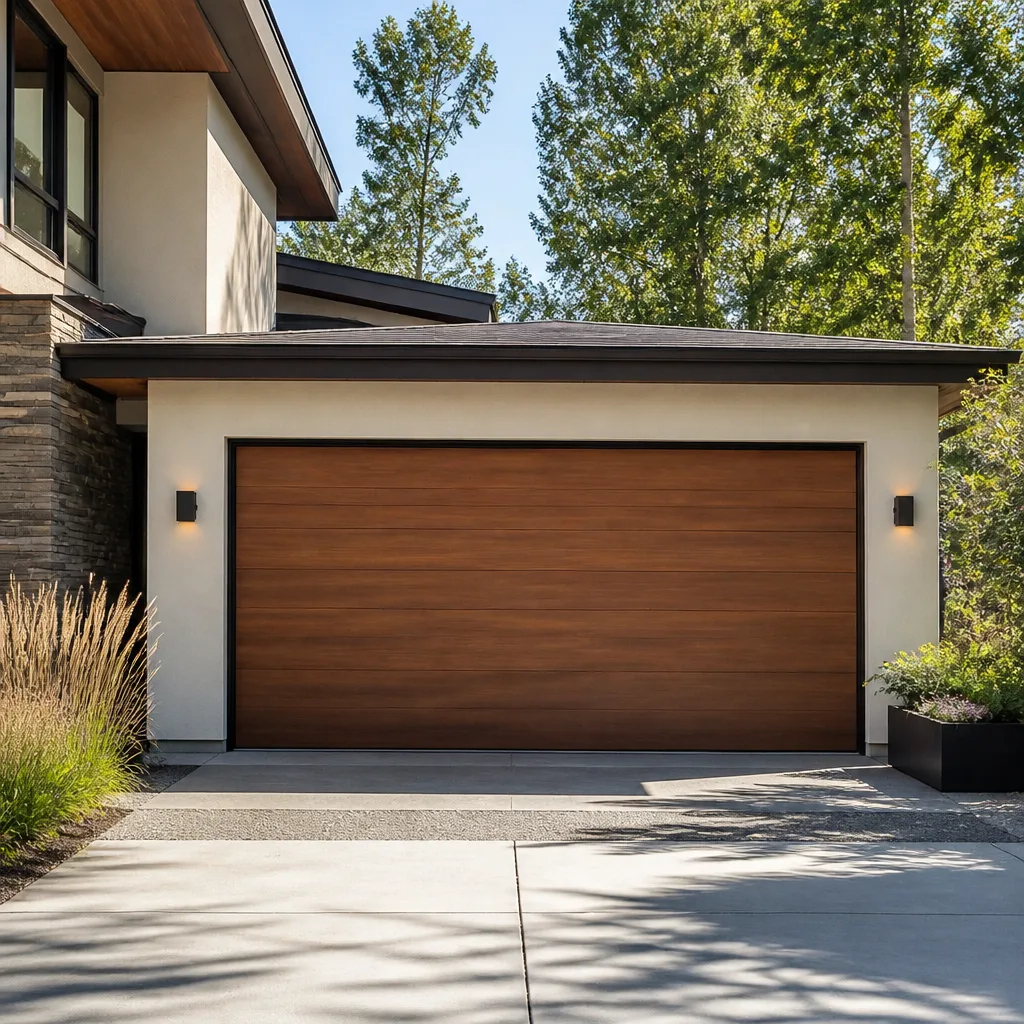 Modern flush
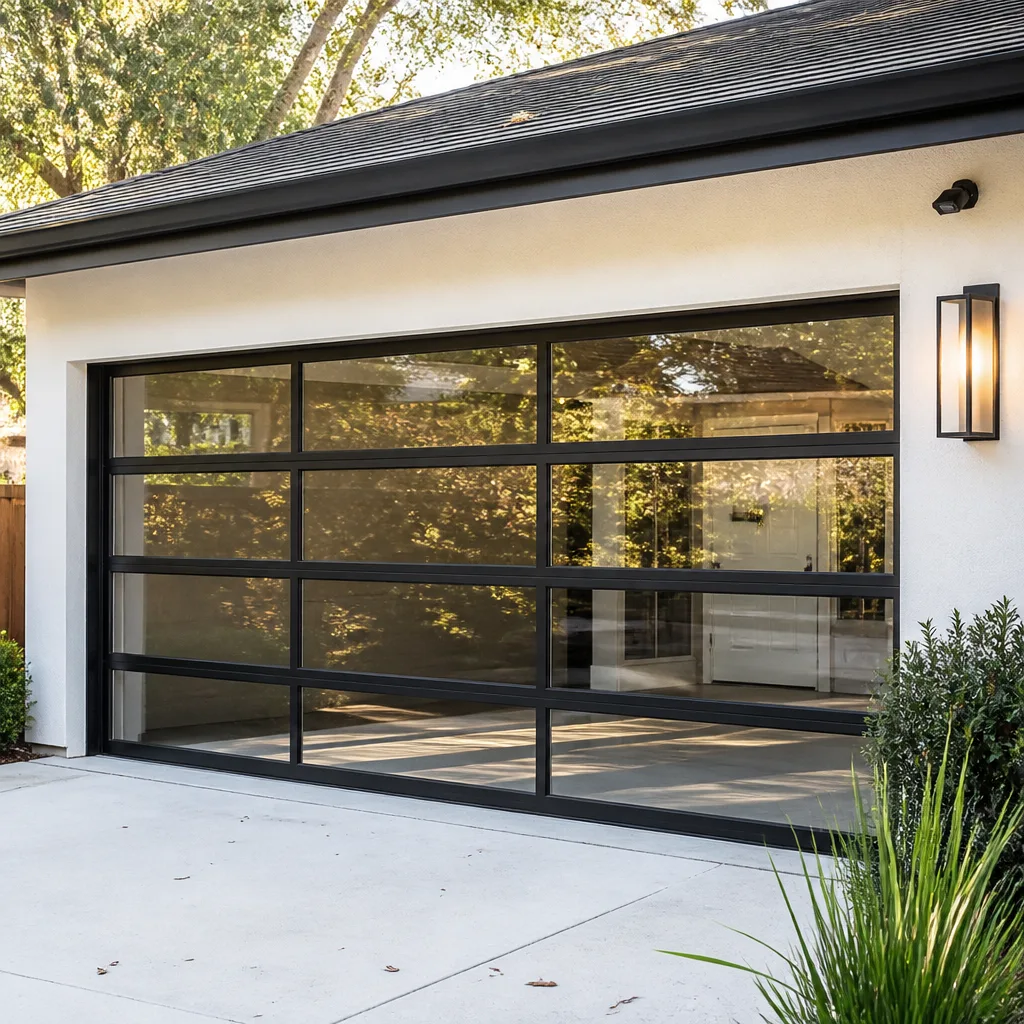 Full-view glass
 LiftMaster openers
 Chamberlain openers
Full 25-point door and opener safety check with every visit - springs, cables, rollers, tracks, and your LiftMaster or Chamberlain opener included
You get a price before we start. It does not change when the pro arrives.
Get your free estimateGarage Door Emergency Preparedness Guide for Fishers Homes
Every garage door opener installed in the last 20 years has a manual release cord, and most homeowners discover it for the first time during a power outage, in a hurry, with no idea what it does. That’s the problem this guide exists to fix. Emergency preparedness for a garage door isn’t about keeping spare springs in the garage or memorizing a repair manual. It’s about knowing three procedures cold before you ever need them: the manual release, the safe way to move a door with a broken spring, and the diagnostic sequence for a door that stops mid-travel. A power outage in Fishers during a summer storm or a January cold snap turns a stuck door into a genuine hazard when you’re learning the override in the dark. Read this once now, and you’ll handle the next failure with a clear head.
Quick Answer
Garage door emergency preparedness for a Fishers home comes down to three things: know where your manual release cord is and how to re-engage it, never force a door with a broken spring or a bent track, and know exactly what information to have ready when you call for help. Rehearse the release procedure once while the power is on. If a door fails, secure it, note the symptoms, and call (866) 810-7496. We answer 24/7, and fast dispatch from 7am to 7pm gets a technician to most Fishers homes the same day.
Styles & brands we work with
- Raised-panel steel
- Carriage house
- Modern flush
- Full-view glass
- LiftMaster openers
- Chamberlain openers
Table of Contents
- The Manual Release: What It Does and How to Use It Correctly
- Operating a Door With a Broken Spring: When It’s Safe and When It Isn’t
- A Door Stuck Mid-Travel and an Unresponsive Opener: The Diagnostic Sequence
- How to Secure an Open or Non-Latching Door Temporarily
- Power Outages, Storms, and the Fishers Climate
- The Emergency Service Call: What to Have Ready and What to Ask
- Preventive Checks That Stop Most Emergencies Before They Start
- Brand-Specific Notes for the Systems Most Common in Fishers
The Manual Release: What It Does and How to Use It Correctly
The manual release cord disconnects the door from the opener’s drive mechanism so you can lift it by hand. It does not disable the springs, the tracks, or the door’s weight. Pulling that cord is safe on a healthy door. On a door with a broken spring, it’s the moment the door becomes a falling weight, which is why the order of operations matters so much.
Here’s the correct procedure, and it’s worth walking through once with the power on so your hands know it before you need it:
- Make sure no one is standing under or near the door. The door can drop fast once the opener lets go.
- Close the door fully first, if the opener will allow it. A door released in the raised position will come down.
- Pull the release cord straight down and slightly toward the door, then let it go. On most LiftMaster and Chamberlain openers, the trolley releases with a firm, single pull. Genie and Craftsman units sometimes need a slightly harder tug; the mechanism is a spring-loaded latch, not a switch.
- Lift the door by hand slowly, using the handle or the bottom section, not the panels’ edges. If it feels far heavier than it should, stop.
- To re-engage, close the door fully, then run the opener once so the carriage meets the trolley. Most openers re-latch automatically when the door travels; some require you to pull the cord again at the carriage. Test with a short open-and-close cycle before you trust it.
What goes wrong when this is done in a rush: a door released mid-travel and let go, a trolley that never re-latched so the opener runs but the door doesn’t move, or a homeowner lifting a door whose spring has already failed. If any of those have happened, that’s a job for a technician, and it’s often the same visit as garage door repair.
Operating a Door With a Broken Spring: When It’s Safe and When It Isn’t
A torsion or extension spring carries the door’s weight. When one breaks, the door can weigh well over a hundred pounds, and lifting it by hand asks your back and shoulders to do work the spring was doing. On a two-car door, that’s rarely worth attempting. On a light single-car door with one intact spring, a careful manual lift may be possible to get a car out, and nothing more.
Use this test before you lift anything:
- Can you see a gap in the spring? A visible break in a torsion spring coil or a stretched-out extension spring means the door is unsprung. Don’t lift it more than a few inches to check travel.
- Does the door feel like lifting a car hood or a loaded wheelbarrow? If it takes real effort at the bottom, stop. Garage doors are supposed to lift with one hand when the springs are healthy.
- Is one side heavier than the other? That usually means a broken spring on one side, or a cable off its drum. Don’t continue.
Two situations are never safe to force, no matter how urgent the errand: a door with a snapped torsion spring over the header, and a door with a cable that has come off the drum. Torsion springs and the cables under tension are the most dangerous parts of any garage door system, and the tools and technique to release that tension are not homeowner tools. In our experience, the damage from a forced lift (bent panels, a torqued track, a stripped opener gear) usually costs more than the original spring job. For a Fishers homeowner, the smarter move is to leave the door down, use another entrance, and get a technician out to replace the spring.
A Door Stuck Mid-Travel and an Unresponsive Opener: The Diagnostic Sequence
A door that stops halfway and won’t respond to the remote is usually a safety-sensor or logic problem, not a mechanical failure. Work through this sequence before you touch the door by hand:
- Check the power. Is the opener’s light on? Is the outlet live? A tripped GFCI in a Fishers garage is a common cause, especially in humid summer months.
- Look at the safety sensors. The two small eyes near the floor should have a solid light on each side. A blinking light means the beam is blocked or misaligned. Cobwebs, a trash can, or a sunbeam hitting the receiving eye will all do it. Wipe the lenses and check the alignment.
- Try the wall button, not the remote. If the wall button works and the remote doesn’t, the problem is in the remote or the receiver, not the door.
- Check the lock feature. Most wall controls have a vacation lock that disables remotes. On LiftMaster and Chamberlain controls it’s a small lock button; a lit indicator means the remotes are locked out.
- Listen for the opener’s hum. A hum with no movement points to a stripped gear or a bound trolley. Silence with a lit light points to the logic board or the capacitor.
If the door is stuck open with the opener engaged, don’t pull the release cord while the door is up: the door will drop. Lower it manually only if the springs are intact and the door feels light. If the door is stuck and the opener is dead, that’s a classic garage door opener repair call, and it’s the kind of thing a technician can usually diagnose in a few minutes on-site. Forcing the door past the obstruction is how tracks get bent and panels crack.
How to Secure an Open or Non-Latching Door Temporarily
A door that won’t close leaves the house open, and in Fishers that’s a real concern whether you’re home or away. The goal for the night is to keep the door shut and the house closed, not to fix the opener. Here’s how to do that without creating a new problem:
- Lower the door by hand and block it. If the springs are intact and the door is light, lower it manually along the tracks and wedge it shut at the bottom with a piece of wood or a rubber doorstop. Don’t rely on the opener to hold it.
- Use the manual lock if the door has one. Many older Wayne Dalton and Raynor doors have a slide bolt or a locking bar that keeps the door down independent of the opener.
- Vise grips on the track, above a roller. A pair of locking pliers clamped to the vertical track just above a roller will stop the door from rising. This is a temporary measure, not a repair, and it should come off before any technician runs the door.
- Don’t jam the door with anything that touches the weather seal or the bottom panel. A bent bottom section is a much bigger repair than the original problem.
If the door won’t close because of a broken spring or a bent track, don’t force it down. A partially open garage is a security gap, and the safe answer is to get a technician out rather than fight the door. Call (866) 810-7496. We answer 24/7, and fast dispatch from 7am to 7pm gets most Fishers doors closed the same day.
Power Outages, Storms, and the Fishers Climate
Fishers sees its share of both summer thunderstorms and hard winter cold, and both put garage doors through the wringer. Summer storms knock out power and drop limbs on tracks and panels; a January cold snap stiffens the lubricant in the rollers and can make a marginal spring fail outright. The pattern is familiar: the door works all year, then a temperature swing or a storm pushes it past its margin.
What to do when the power goes out:
- Don’t pull the release cord until you know why the door won’t move. If the opener is just dead from an outage, the manual release is the correct tool. If the door is jammed, the release won’t help and may make it drop.
- Pull the cord as described above, lift the door by hand, and get the car out if you need to.
- Re-engage the door before the power returns, so the opener doesn’t try to run a disconnected door when the electricity comes back.
- After the storm, check the tracks for debris and the sensors for alignment before you assume the opener is broken.
If you have a battery-backup opener, it’s worth testing once a year by unplugging the unit and running a cycle. On a LiftMaster or Chamberlain with a backup battery, the opener should still lift the door, and a weak battery will show up as a slow or labored cycle. If your opener is a Genie or Craftsman without a backup, the manual release is your only option in an outage, which is why it’s worth practicing. If the door fails after a storm and the opener is fine, that’s a mechanical job; our garage door repair team handles both sides of the system.
The Emergency Service Call: What to Have Ready and What to Ask
A good emergency call is short and useful. Before you dial, have these facts in hand:
- The door’s brand and, if you can see it, the opener’s model sticker on the back or side of the unit.
- What the door is doing: won’t open, won’t close, stops halfway, makes a specific noise, won’t respond to the remote.
- Whether the door is up, down, or stuck in between, and whether it’s safe to leave it that way.
- Whether the springs are intact and whether either has visibly broken.
- Your address and any gate or parking notes for the technician.
When you call, ask the questions that matter to a homeowner after a failure: What’s the likely cause? What’s the price range for the fix, and is it quoted before work starts? Will the price change once the technician sees it? Are the technicians licensed and insured? Any company worth calling will answer all four plainly. The price for the job is set by the written estimate, agreed before any work begins, and the estimate itself is free.
The general rule on what can wait until morning: a door that’s down and secure can wait. A door that’s stuck open, hanging off a track, or making a sound like something is about to give way shouldn’t. And an opener that runs but doesn’t move the door is usually a mechanical issue you can schedule rather than an emergency. If you’re unsure, call (866) 810-7496. We answer 24/7, and fast dispatch from 7am to 7pm, Sunday through Friday, gets a technician to Fishers homes the same day.
Preventive Checks That Stop Most Emergencies Before They Start
Most garage door emergencies have a warning period of weeks or months. A spring that’s about to fail usually has a small gap or a stretched section; a track that’s going to derail is usually loose at a bracket; an opener that’s going to strip a gear usually gets louder first. A five-minute check twice a year catches most of it. In Fishers, do one in spring after the last of the storm season and one in late fall before the first hard freeze.
Here’s what to look at:
- The balance test. Disconnect the opener and lift the door halfway. It should stay put. A door that sinks or rises on its own has a spring problem coming.
- The spring check. Look for a visible gap in the torsion spring or a stretched-out extension spring. Don’t touch the springs themselves.
- The track check. Wiggle the vertical and horizontal tracks by hand. Loose brackets and dings in the track precede most derailments.
- The roller check. Worn nylon rollers get flat spots and make the door roar. Metal rollers get noisy before they seize.
- The sensor check. Wipe the lenses and confirm both eyes are solid. Test by waving an object through the beam and watching the door reverse.
- The reversal test. Put a piece of wood under the door and run it down. The door should reverse on contact. If it doesn’t, the opener’s force settings need attention.
None of these involve touching a spring or a cable. Those parts are under tension, and a trained technician is the right person to adjust or replace them. If a check turns up something you’re not sure about, our team is happy to look. We work on the whole system, and a routine call now is cheaper than an emergency in February.
Brand-Specific Notes for the Systems Most Common in Fishers
Garage doors and openers are not interchangeable, and knowing your brand matters when something goes wrong. We’re certified to service eight of the most widely installed brands in the country, and the brand on your door often tells a technician what the likely failure is before they arrive.
A few notes that help Fishers homeowners:
- Amarr and Clopay doors are common on newer construction around Fishers. Panel and section parts are usually available, which makes a damaged panel a repair rather than a full replacement.
- Wayne Dalton doors have their own track and hardware patterns. If a roller or hinge fails, a generic substitute won’t seat correctly, and the wrong part shortens the life of the door.
- Raynor doors often use heavier-gauge hardware. A bent track or a hinge that’s come loose on a Raynor usually means the original hardware was overtightened, and matching the part matters.
- Craftsman openers are everywhere in older Fishers garages. The logic board and the safety sensors are the two parts that fail most, and both are diagnosable in minutes.
The point is not brand trivia. It’s that a problem you’re tempted to fix with a generic part from the shelf is usually a problem to fix with the right part. That’s why we treat the door and the opener as two disciplines, and why we keep the part knowledge for both. If you’re not sure what brand you have, look for the sticker on the opener and the label on the door’s bottom section. If you can’t find one, a technician will identify it on the first visit. You can learn more about our services on the Hillcrest Garage Door Service homepage, or read about the areas we cover in Fishers.
Common Mistakes to Avoid
- Pulling the release cord on a door with a broken spring. The door becomes a falling weight the second the opener lets go. Check the springs first, then decide.
- Forcing a stuck door past its obstruction. A bent track or a cracked panel turns a small repair into a large one, and the panel is often out of stock for a week.
- Leaving the door open overnight after a failure. A partially open garage in Fishers is an invitation for weather and worse. Secure it down with the manual lock or locking pliers on the track.
- Re-engaging the opener by running it with the door disconnected. The carriage has to meet the trolley before the opener will pull. Running it without checking gets you a door that still won’t move.
- Ignoring a slow or noisy cycle. A door that’s gotten loud or sluggish is telling you the spring or the rollers are on their way out. Waiting for the failure moves the cost from a planned repair to an emergency call.
- Using a generic part on a brand-specific door. Wayne Dalton, Raynor, and Amarr hardware isn’t universal. The wrong part wears faster and can damage the track.
- Keeping an old remote as the only control. If the remotes fail and the keypad is dead, the wall button is your only opener control. Test all three once a year.
See the difference
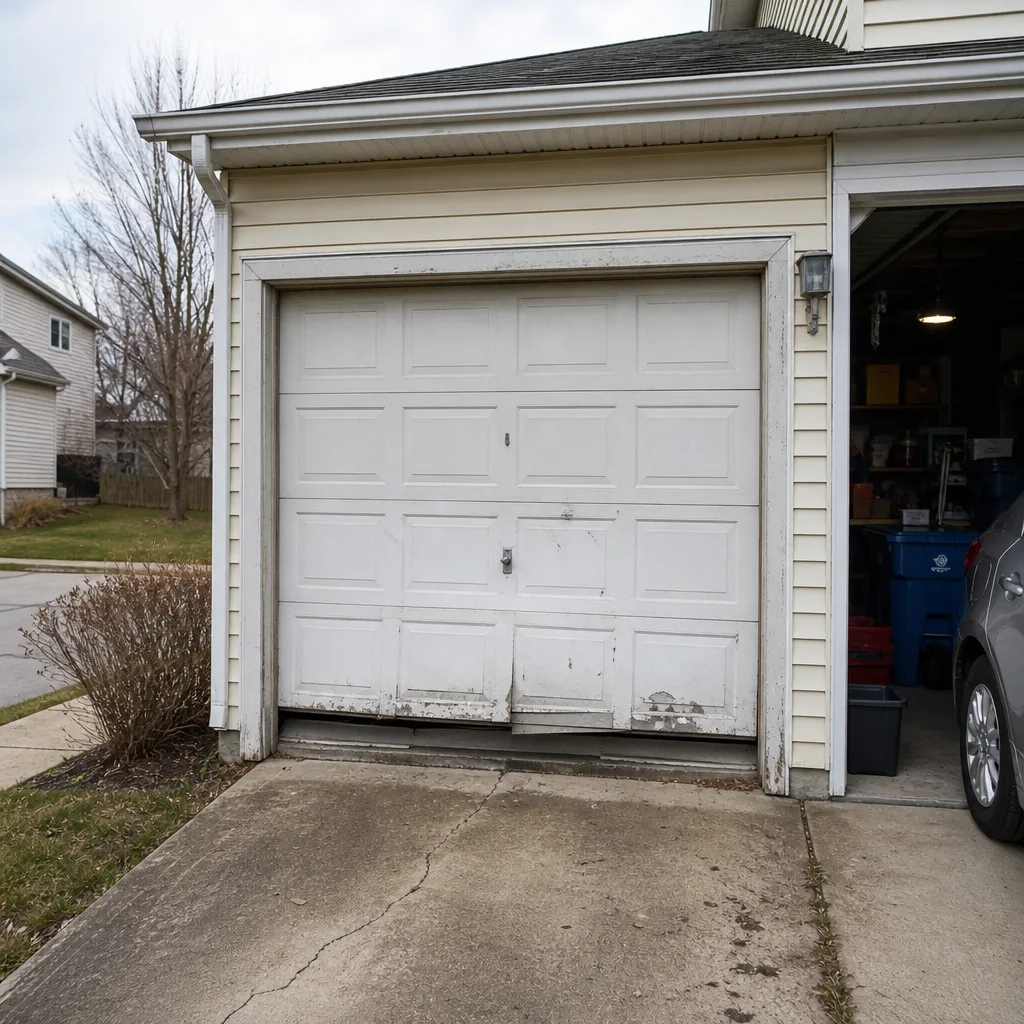 Before
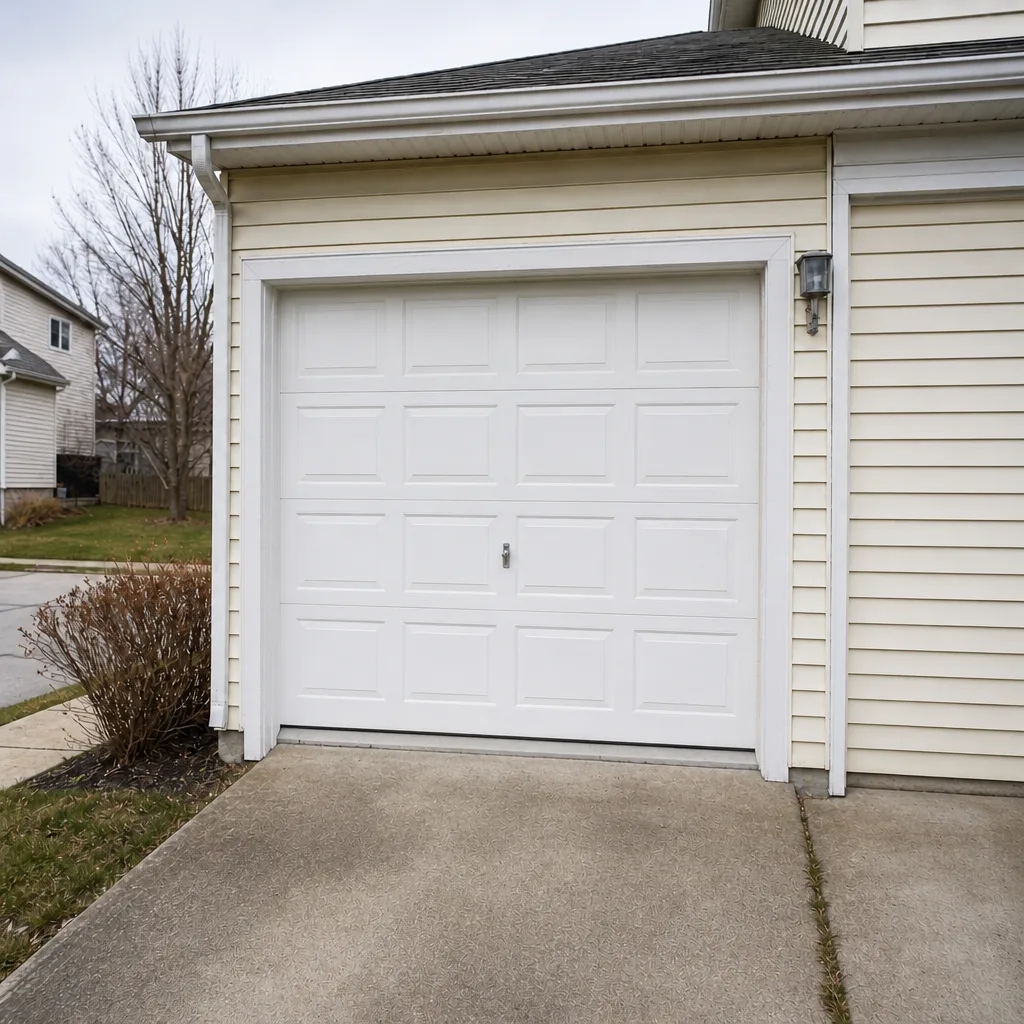 After
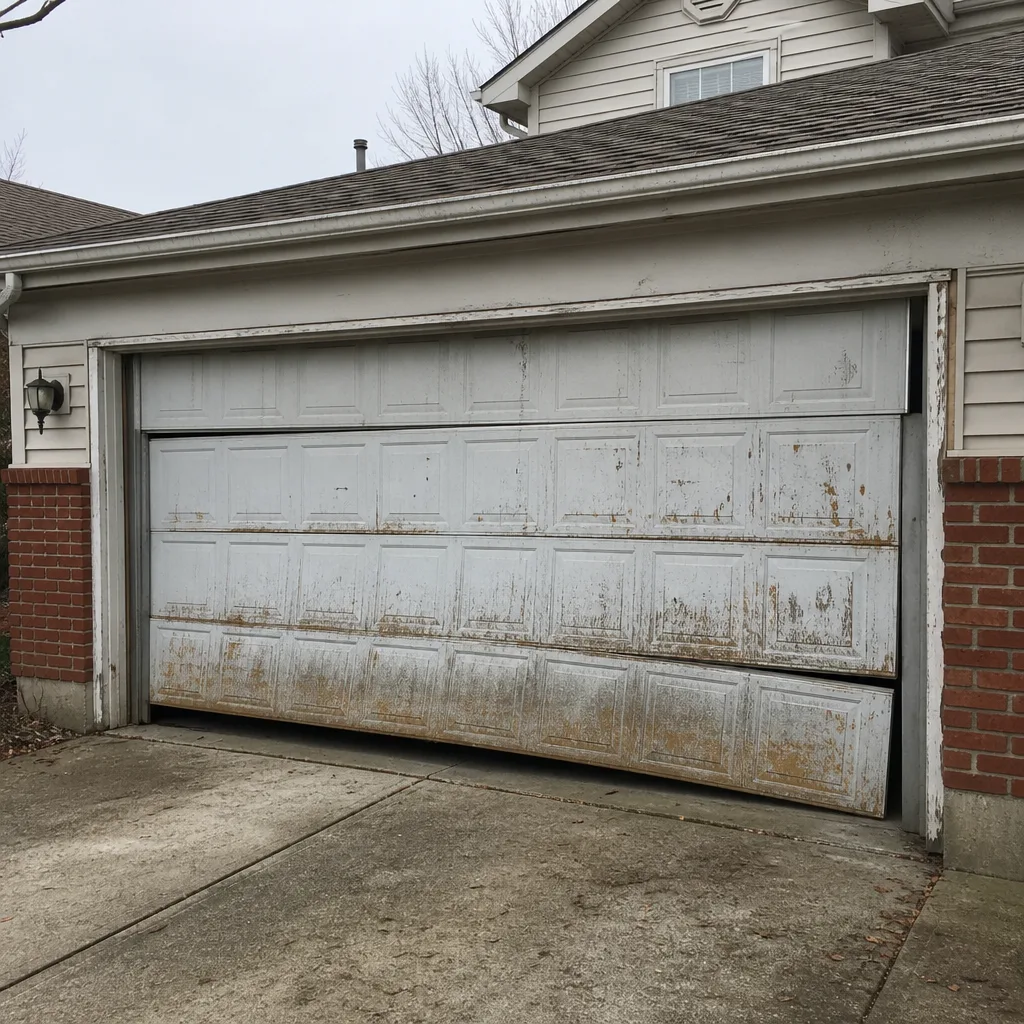 Before
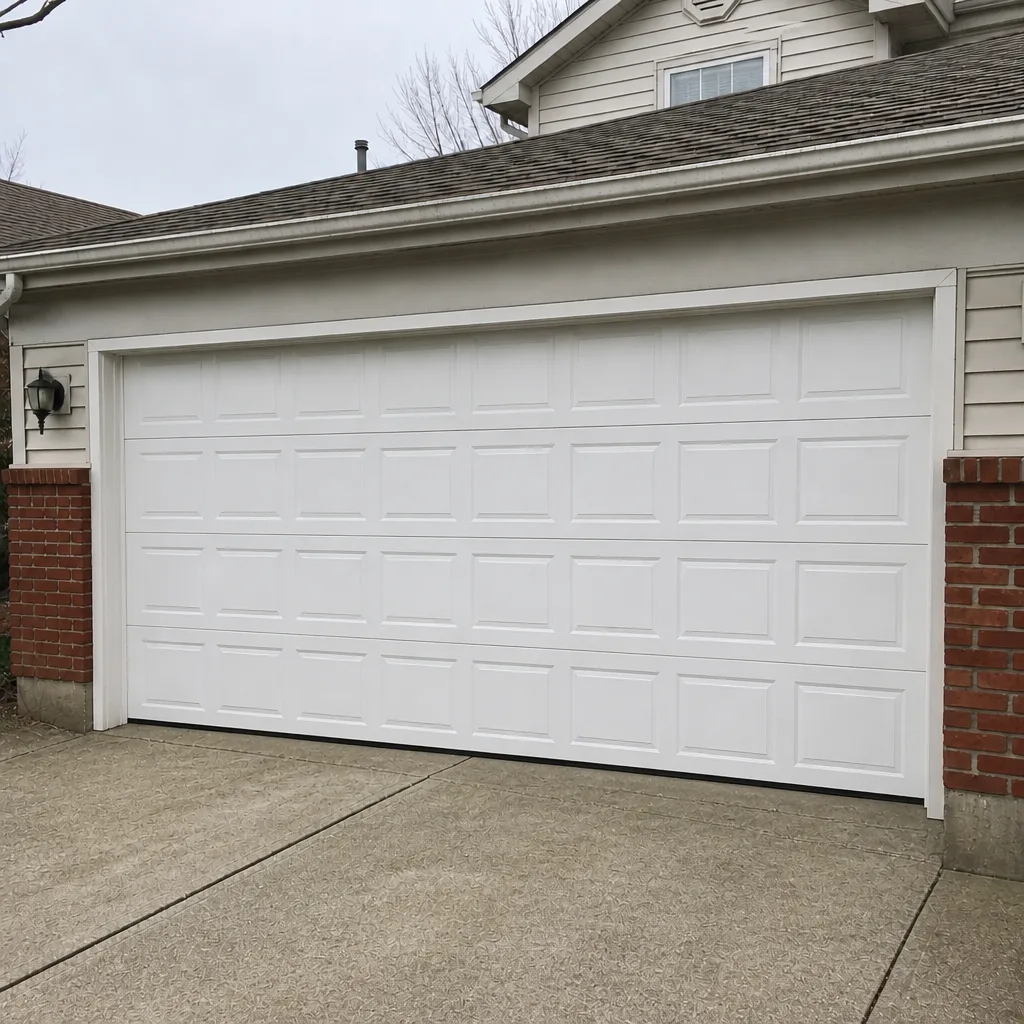 After
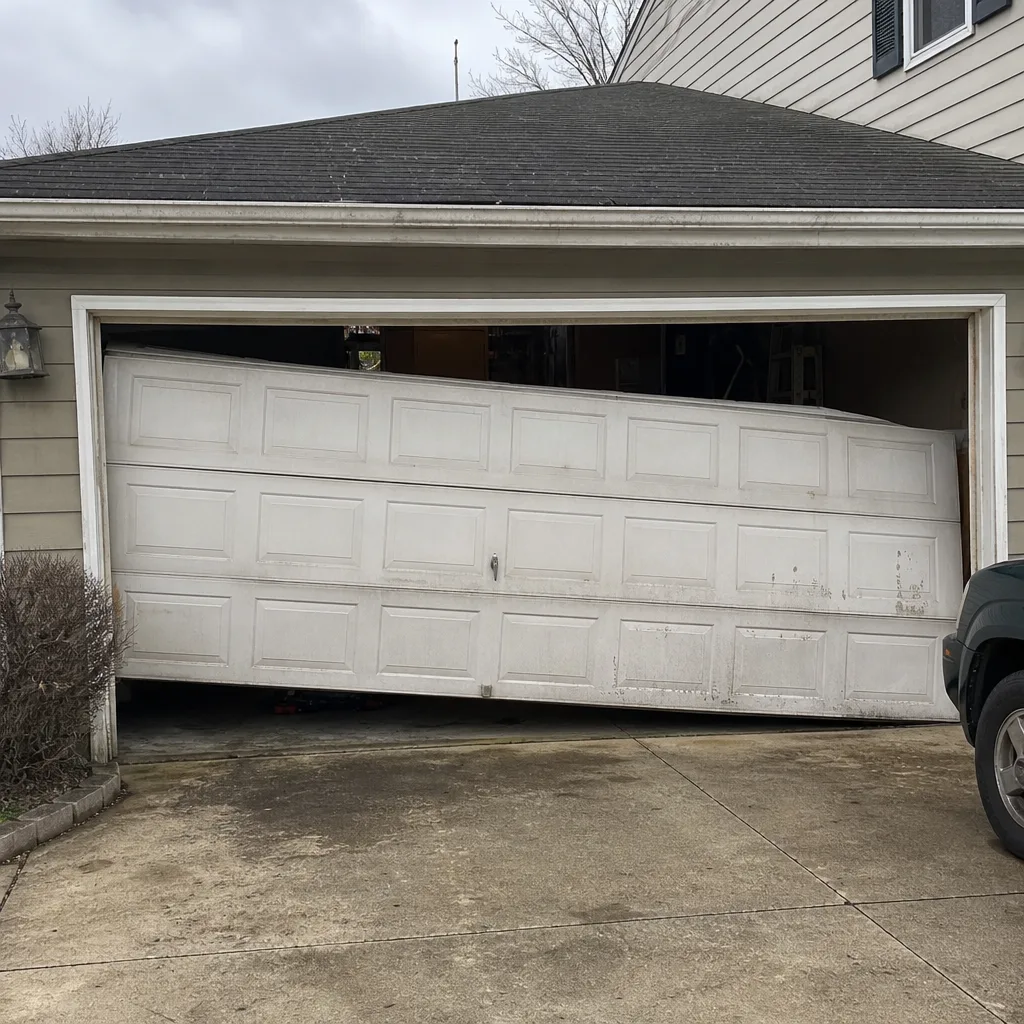 Before
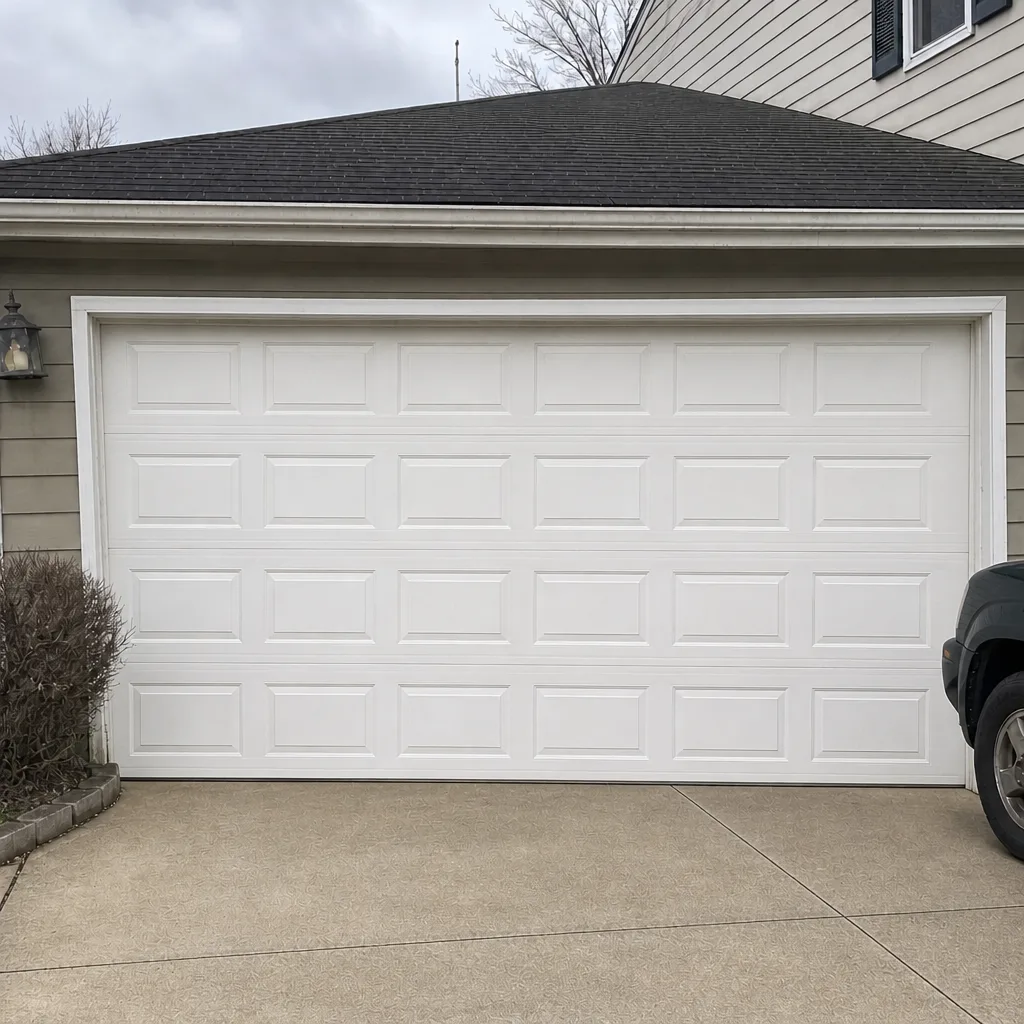 After
When to Call a Professional
Call for help when the door has a broken spring, a cable off its drum, a bent track, or a panel that’s come loose from its hinges. These are the jobs where the parts are under tension and a homeowner attempt is genuinely dangerous. Call when the opener hums but won’t move the door, when the door won’t respond to any control, or when it reverses without anything in the way. And call when a door is stuck open and can’t be secured, because a house left open isn’t something to wait out. Hillcrest Garage Door Service offers free estimates in Fishers, call (866) 810-7496. We answer 24/7, and fast dispatch from 7am to 7pm, Sunday through Friday, gets a technician to your door.
Frequently Asked Questions
Pull the manual release cord down and toward the door, then lift the door by hand. Check first that no spring is broken and that the door feels light. If it’s heavy, stop and call a technician.
Only if the door is light and one spring is intact, and only to get a car out. A door with a snapped torsion spring or a cable off its drum shouldn’t be forced. The door can weigh well over a hundred pounds, and the spring and cable are under dangerous tension. Call (866) 810-7496 for an exact quote, estimates are free.
Check the safety sensors and the power. A blinking sensor light or a tripped outlet explains most stuck-door calls. If the wall button works and the remote doesn’t, the problem is in the remote or the receiver.
Lower it by hand if the springs are intact, then use the manual lock or clamp locking pliers to the vertical track just above a roller. If the door won’t come down safely, call for service rather than forcing it. A partly open garage in Fishers is a security gap; call (866) 810-7496.
The price is set per job by the written estimate, and the estimate is free. Ask for the price before any work starts and confirm it in writing. If you’re quoted a range, ask what would move the price to the high end. Call (866) 810-7496 for an exact quote, estimates are free.
Have the door and opener brand, the symptoms, the door’s position, and your address ready. Brand and symptoms are the two things that let a technician diagnose the likely cause and bring the right parts. Call (866) 810-7496, we answer 24/7 with fast dispatch from 7am to 7pm, Sunday through Friday.
Yes, the technicians who service Fishers homes are licensed and insured. Ask for confirmation when you call, and ask the same of any company you’re considering. Call (866) 810-7496 for an exact quote, estimates are free.
The Bottom Line
Preparedness for a garage door emergency isn’t a toolbox full of spare parts. It’s three procedures you know before the power goes out: the manual release and how to re-engage it, the safe limits of lifting a door with a broken spring, and the diagnostic order for a stuck door. Add a twice-a-year check for balance, springs, tracks, and sensors, and you’ll catch most failures while they’re still a planned repair. When something does go wrong in Fishers, secure the door, note the symptoms, and call. Hillcrest Garage Door Service specializes in doors and openers only, and we work on the whole system, from the spring to the remote. Call (866) 810-7496 for a free estimate. We answer 24/7, and fast dispatch from 7am to 7pm, Sunday through Friday, gets a technician to your door. Our technicians have up to 8 years of experience.
Written by the team at Hillcrest Garage Door Service.