
Last updated November 15, 2026
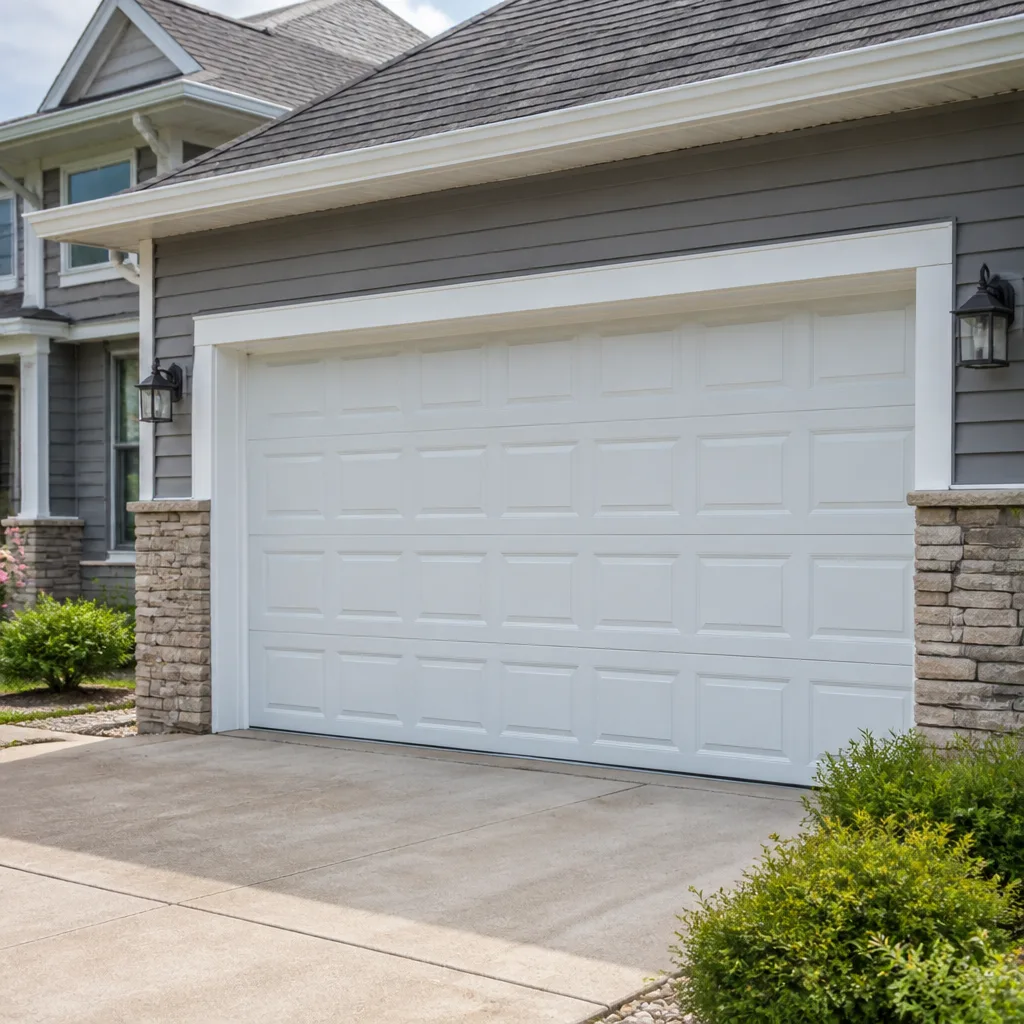 Raised-panel steel
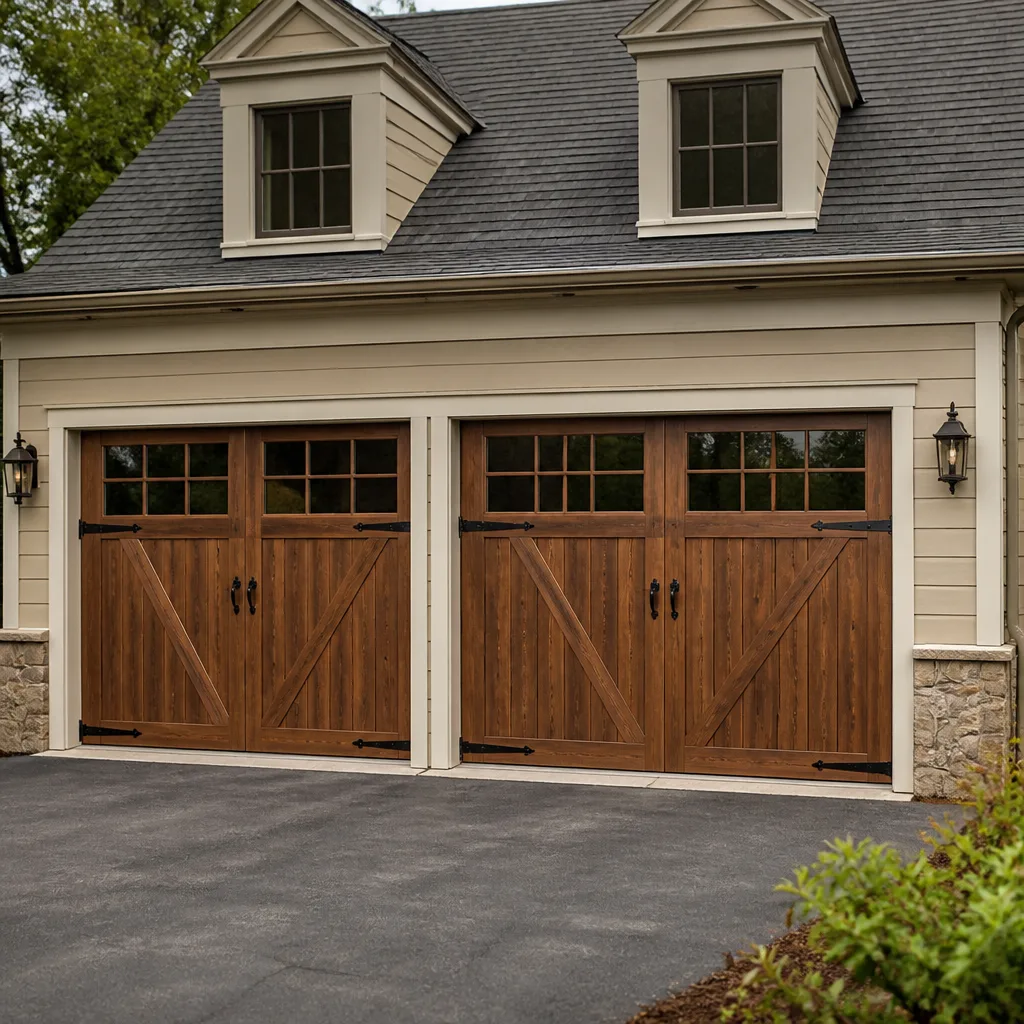 Carriage house
 Modern flush
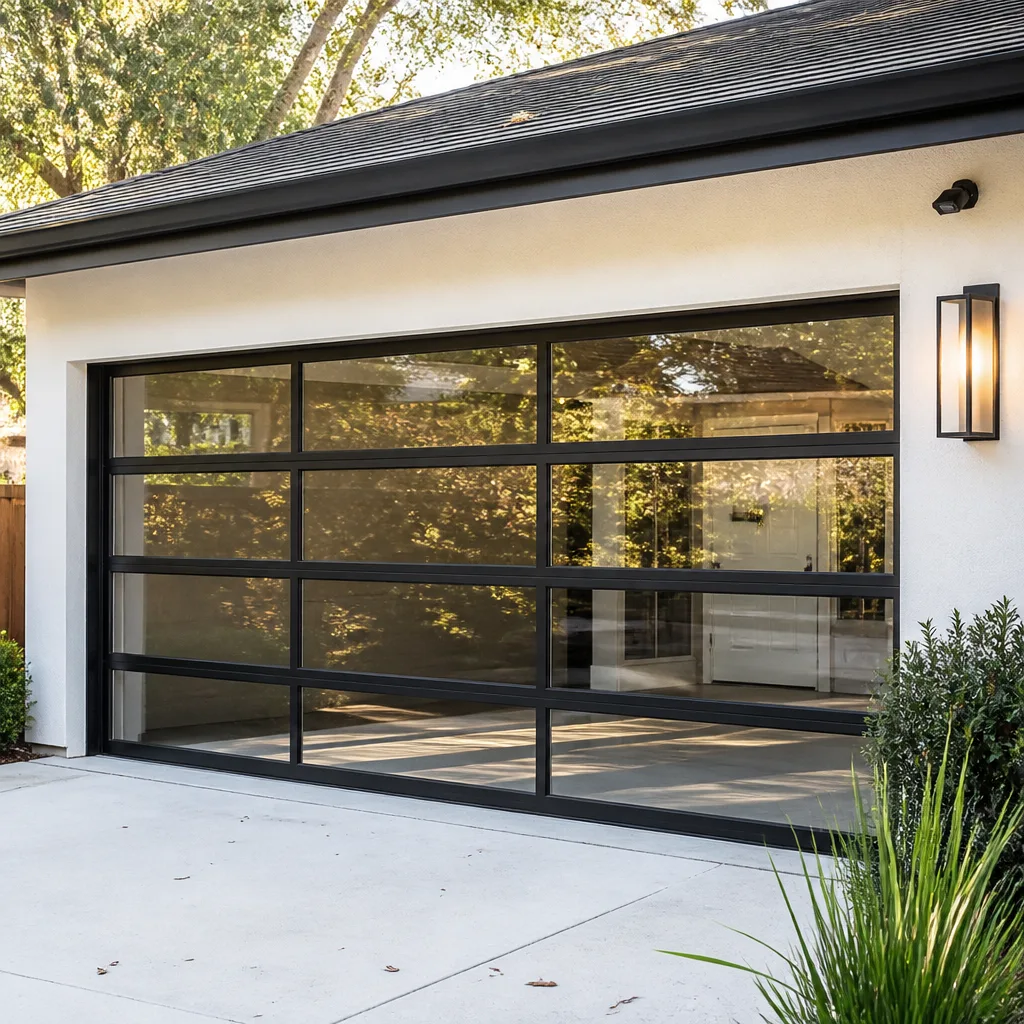 Full-view glass
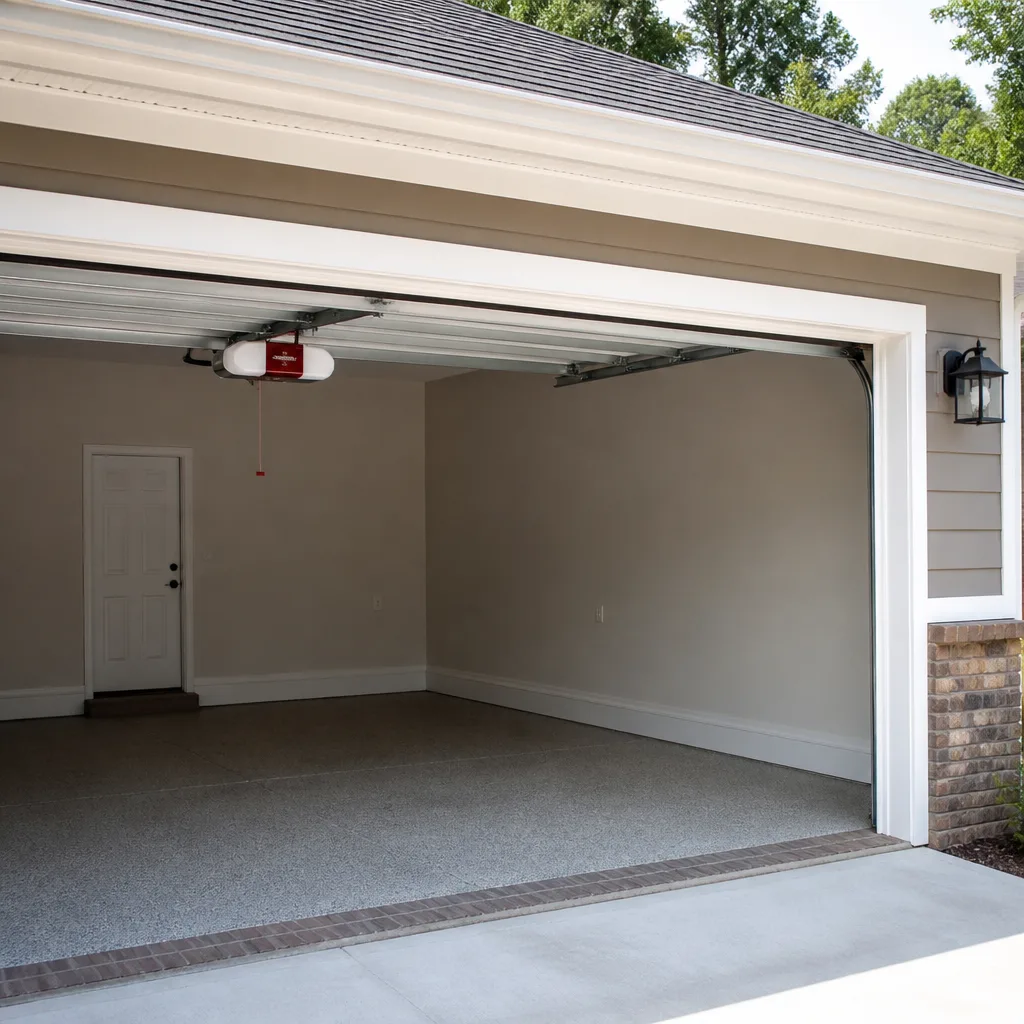 LiftMaster openers
 Chamberlain openers
Full 25-point door and opener safety check with every visit - springs, cables, rollers, tracks, and your LiftMaster or Chamberlain opener included
You get a price before we start. It does not change when the pro arrives.
Get your free estimateGarage Door Repair Maintenance Checklist for Fishers Homeowners
The number-one cause of emergency garage door calls in cold climates isn’t a broken spring. It’s a 90-second inspection that never happened in October. Most homeowners in Fishers don’t think about their garage door until it stops working, and by then a small problem has usually turned into a bigger, more expensive one. The door is the largest moving object on your house, and it takes a beating through Indiana’s freeze-thaw cycles, summer humidity, and everything in between. This checklist walks you through what to inspect, when to inspect it, and which parts fail first on older systems. It’s organized around the failure patterns we actually see on service calls in Fishers, not a generic quarterly calendar that assumes mild weather year-round.
Quick Answer
A garage door maintenance checklist for Fishers homeowners should cover five things: lubrication of moving parts, a balance test, a safety reversal test, a visual inspection of springs, cables, rollers, and tracks, and a check of the opener’s force settings and safety sensors. Do the light tasks yourself in spring and fall, and bring in a specialist for anything involving springs, cables, or the opener’s internal adjustments. If your door is over seven years old, the freeze-thaw cycle here makes an October inspection the single most useful habit you can build.
Styles & brands we work with
- Raised-panel steel
- Carriage house
- Modern flush
- Full-view glass
- LiftMaster openers
- Chamberlain openers
Table of Contents
- Why Fishers Garage Doors Fail Differently
- The Five Components That Fail First on Older Systems
- A Fishers Seasonal Maintenance Schedule
- How to Test Balance and Reversal Safety
- Which Lubrication Points Matter (and Which Products Hurt)
- DIY Maintenance vs. Tasks That Need a Specialist
- What Brand You Own Matters More Than You Think
- Repair or Replace? How to Decide
Why Fishers Garage Doors Fail Differently
Fishers sits in a climate that swings hard. A door that’s fine in July can groan and stick by January, and the reason usually isn’t the door itself. It’s what the temperature swings do to the components around it. Indiana’s freeze-thaw cycle is the biggest factor. Water gets into small gaps, freezes overnight, expands, and thaws the next afternoon. Repeat that a few hundred times over a winter and you get hardware that loosens, rollers that flat-spot, and springs that lose tension faster than the manufacturer’s estimate suggests.
The housing stock matters too. Fishers has grown quickly, which means a lot of homes here have doors and openers that were installed at roughly the same time, somewhere between seven and fifteen years ago. Those systems are now in the window where parts start to wear out in a predictable order. That’s actually good news: predictable failure means predictable maintenance.
Summer humidity adds a second stress. Wood-look and wood-composite doors can absorb moisture and warp slightly at the edges, which throws off the track alignment. Steel doors hold up better, but the hinges and rollers still collect grit, and that grit turns into grinding if it isn’t cleaned out. If you’ve ever noticed your door getting louder in August and quieter in October, that’s the grit working its way out of the joints.
None of this means your door is doomed. It means the calendar matters here more than it does in a mild climate. A door in Fishers that gets two inspections a year will typically outlast one that gets none by a wide margin. We’ve seen that hold true across every brand we work on, from a basic builder-grade door to a high-end Clopay carriage-house style.
The Five Components That Fail First on Older Systems
On systems over seven years old in Fishers, five parts fail in a fairly consistent order. Knowing the sequence lets you catch each one before it takes something else out with it. Here’s what to look for on each:
- Rollers. Plastic rollers develop flat spots and start to rumble. Steel rollers wear at the bearing and get loose in the track. Look for wobble, grinding, or black dust on the track. If a roller has seized, it will wear a groove in the track itself, which is a much bigger repair.
- Hinges. The hinges between panels take the most flex, so they loosen first. Check each one for play. A hinge that’s working loose will let the door sag in the middle, which throws off the whole panel alignment.
- Springs. Torsion springs, mounted on the shaft above the door, lose tension gradually before they fail. Extension springs, running along the sides, stretch over time. In Fishers, the cold months are when most spring failures happen, because cold makes the metal more brittle. Never touch a spring under tension. More on this below.
- Cables. The lift cables run from the bottom corners up to the springs. Fraying, kinks, or a cable that’s jumped its drum are all warning signs. A cable is under load whenever the door is closed, so this is a specialist-only check.
- The opener’s drive system. Belt, chain, or screw drive all wear differently. On a Genie or LiftMaster unit, listen for a change in the sound. A new rattle or a hesitation at the start of travel usually points to a worn gear, a loose belt, or a failing capacitor.
If your door is in that seven-to-fifteen-year range, these five are where a maintenance inspection should focus. A technician who knows what to look for can usually tell within a few minutes which of them is closest to failing.
A Fishers Seasonal Maintenance Schedule
A generic quarterly checklist doesn’t fit Indiana. What your door needs in April is different from what it needs in November, so here’s a schedule tied to the actual seasons in Fishers rather than an abstract calendar.
Mid-to-late October: The Pre-Winter Inspection
This is the important one. Before the first hard freeze, do a full walkthrough. Lubricate hinges, rollers, and the spring shaft. Test the balance and the reversal safety (both explained below). Clear debris from the tracks and check that the weather seal at the bottom is intact and pliable. Cold makes a stiff seal crack on the first freeze, and a cracked seal lets in water that freezes under the door. If any part is already making noise or showing wear, replace it now rather than in January.
March: The Spring Thaw Check
After the freeze-thaw cycle has run its course, re-check everything you tightened in October. Bolts loosen over winter. Track brackets shift. This is also the time to look for rust on the hinges and springs, which is more likely after a wet winter. Clean, lubricate, and re-tighten.
June: The Pre-Summer Lube and Clean
Indiana summers get humid, and humidity is what turns grit into grinding. Clean the tracks with a damp cloth, not a lubricant, then re-lubricate the hinges and rollers. Check the opener’s safety sensors for cobwebs and debris, since insects and dirt are a common cause of a door that won’t close in summer.
Monthly: The Two-Minute Look
Once a month, run the door up and down and listen. Any new noise, hesitation, or jerky movement is worth investigating. This takes two minutes and catches most problems while they’re still cheap.
How to Test Balance and Reversal Safety
These are the two checks most homeowners skip, and they’re the two with real safety consequences. Both are simple to run and both tell you a great deal about the health of the system.
The Balance Test
- Close the door fully, then disconnect the opener using the manual release cord. That’s the pull handle hanging from the opener rail.
- Lift the door by hand to about halfway open and let go.
- A balanced door should stay roughly where you let it go. If it slams down or drifts up, the springs are out of adjustment and the opener is doing work it shouldn’t be doing.
- Reconnect the opener when you’re done.
A door that fails the balance test puts extra load on the opener every single time it opens. That’s why a poorly balanced door and a burned-out opener so often show up together on a service call.
The Reversal Safety Test
Every opener made in recent decades has a reversal feature. If the door meets an obstruction on the way down, it should reverse. Test it by placing a 2×4 flat on the ground in the door’s path and running the door closed. It should reverse on contact with the board. If it just keeps going and stops on the board, the safety system isn’t working and the door needs professional attention. While you’re at it, check the two safety sensors mounted near the floor on either side of the door. They should have their indicator lights on, and the lenses should be clean. If one is dark or blinking, the alignment or wiring needs a look.
One Warning on Springs and Cables
Nothing in this checklist asks you to touch a spring or a cable. Garage door springs are under high tension, and a torsion spring can cause serious injury if it lets go while you’re working on it. Cables are under load whenever the door is closed. Balance and reversal tests are homeowner tasks. Spring and cable work is not. If you suspect a problem with either, stop and call a technician.
Which Lubrication Points Matter (and Which Products Hurt)
Lubrication is the maintenance task most homeowners get wrong, usually because the wrong product is being sold as the right one. Here’s what to use and what to avoid.
The Right Lubrication Points
- Hinges, at the pivot points. A small amount per hinge is enough.
- Roller bearings and stems. If you have sealed-bearing nylon rollers, they may not need lubrication at all.
- The spring shaft, lightly, on torsion systems. This is the shaft, not the spring itself.
- The opener’s chain or screw drive, using the product the manufacturer specifies. Belt drives don’t need lubrication.
- The bottom weather seal, with a silicone-based product to keep it pliable.
What to Avoid
- Heavy grease or petroleum jelly. These attract dust and grit, and over time they turn into an abrasive paste that wears the parts faster than running dry would.
- WD-40 as a door lubricant. It’s a solvent and a light water displacer, not a lasting lubricant. It will quiet a hinge for a week and then leave the joint drier than it was.
- Anything sprayed on the tracks. The tracks should be clean and dry. Lubricating them lets the rollers slide instead of roll, which is the opposite of what you want.
- Products marketed specifically for garage doors that contain solvents. Check the label. Silicone-based or white lithium grease is what you want; solvent-heavy sprays can damage rubber seals and plastic components.
A $10 can of the right lubricant and fifteen minutes twice a year will do more for your door’s lifespan than almost anything else on this list.
DIY Maintenance vs. Tasks That Need a Specialist
Some maintenance belongs in your hands. Some of it can void a warranty, create a liability, or hurt you if it goes wrong. Here’s the line, and it’s worth respecting.
Safe for Homeowners
- Visual inspection of rollers, hinges, tracks, cables, and springs, without touching anything under tension
- Cleaning the tracks with a cloth
- Lubricating hinges, rollers, and the spring shaft
- Running the balance and reversal safety tests
- Cleaning the safety sensor lenses and checking their indicator lights
- Tightening visible track brackets and hinge bolts that have loosened
Specialist Only
- Any work on torsion or extension springs under tension
- Any work on the lift cables
- Adjusting the opener’s force settings or travel limits inside the unit
- Replacing a broken spring or a cable
- Realigning a track that’s visibly bent or out of plumb
- Replacing panels (the panel alignment and spring tension interact)
The reason this matters: adjusting an opener’s force setting to compensate for a stiff door is a common DIY fix, and it’s the wrong one. It masks the real problem and puts extra strain on the opener motor until it fails. The right answer is to fix the door’s balance, not to dial up the opener’s force. That kind of adjustment is also a common warranty issue on a new opener. For anything in the specialist column, our garage door repair service in Fishers is set up to handle the whole system, not just one piece of it.
What Brand You Own Matters More Than You Think
Garage doors and openers aren’t universal. A Genie opener and a LiftMaster opener differ in their logic boards, their safety sensor wiring, and their travel limit adjustment. A Clopay door and an Amarr door use different panel profiles and hinge patterns. This doesn’t matter much for lubrication and cleaning, but it matters a great deal the moment you start diagnosing a problem.
What we’ve found over years of service calls is that a lot of issues get “fixed” with generic parts that don’t quite fit, and the door limps along until something else fails. A hinge that’s a millimeter off spec, a roller that’s close but not right, a force setting tuned for a different opener model – each of those creates a new problem down the line. Getting the right part for the brand you actually own is part of getting it working right.
We work on the full range of leading brands, so when a Fishers homeowner tells us they have a Wayne Dalton door with a Genie opener, we know what we’re walking into before we get there. That includes the door side (panels, springs, tracks, hinges) and the opener side (drive systems, sensors, remotes, smart controls). If your specific issue is on the opener side, that’s its own garage door opener repair path, and it’s treated as a different discipline from door repair for a reason.
Repair or Replace? How to Decide
Homeowners in Fishers ask this often, and the honest answer is that it depends on what’s failing and how much of the door is affected. Here’s how we think through it.
Repair Usually Makes Sense When:
- The door is structurally sound and the panels are in good shape
- One or two parts are failing (a spring, a set of rollers, a hinge)
- The opener is working fine and the door’s balance is the only issue
- The door is under roughly seven years old and the components are still within their expected life
Replacement Usually Makes Sense When:
- Multiple panels are damaged or rusted through
- The spring and cable system has failed and the door is old enough that the rest of the components are near end of life anyway
- The track is bent or the door is out of alignment in a way that keeps recurring
- The door is a builder-grade unit from fifteen years ago and the accumulated repair cost is approaching the cost of a new door
That last point is the one worth thinking through. A door doesn’t fail all at once; it fails in pieces. If you’re looking at your third or fourth repair in a couple of years, replacement starts to make more sense than one more fix. If it’s your first repair on an otherwise healthy door, it’s almost certainly worth fixing. For a first-time buyer selecting a new door, the decision is simpler: get the measure right, order the right size and style, and have it installed by someone who handles installation as its own discipline.
If you’re weighing the decision and want a straight answer, we’re happy to look at your door and tell you which way we’d go. Reach out through Hillcrest Garage Door Service or call us directly.
Common Mistakes to Avoid
- Lubricating the tracks. It feels like the right thing to do, but it makes the rollers slide instead of roll. Clean tracks are what you want, not slick ones.
- Adjusting the opener’s force to fix a heavy door. This masks the real problem and wears out the opener faster. Fix the door’s balance instead.
- Skipping the October inspection. In Fishers, the first hard freeze is what turns a small problem into a no-heat emergency. A pre-winter inspection is the single most valuable thing on this list.
- Ignoring a new noise. A change in sound is the earliest warning a door gives you. Waiting until it stops working means you’re paying for the fix plus whatever damage the noise was warning you about.
- Using the wrong lubricant. Heavy grease, WD-40, and solvent-heavy products all do more harm than good. Silicone or white lithium is the right choice.
- Trusting a generic parts swap. A part that’s “close” isn’t the same as the right part for your brand. If you have a Wayne Dalton door or a Genie opener, the right part matters.
- Trying to adjust a torsion spring yourself. It’s the one thing on this list with a real injury risk. Leave it alone and call a technician.
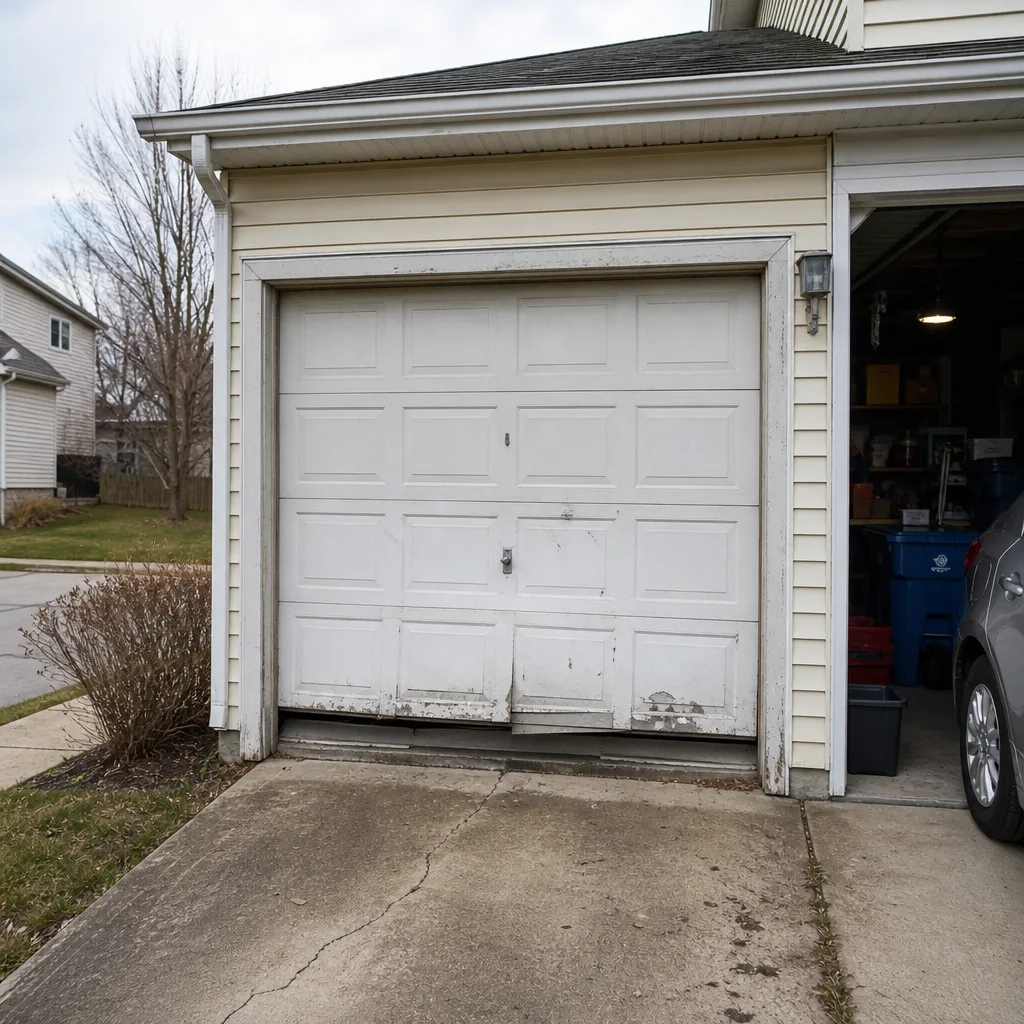
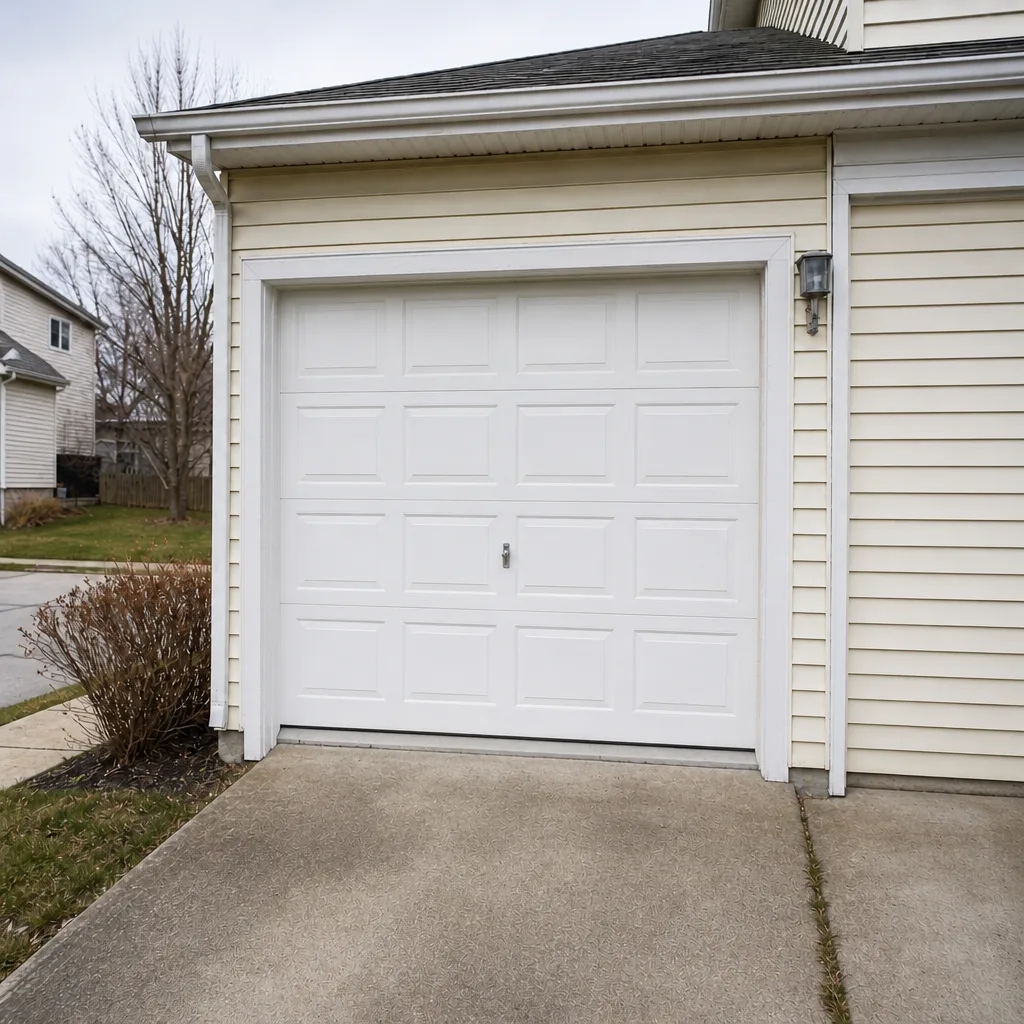
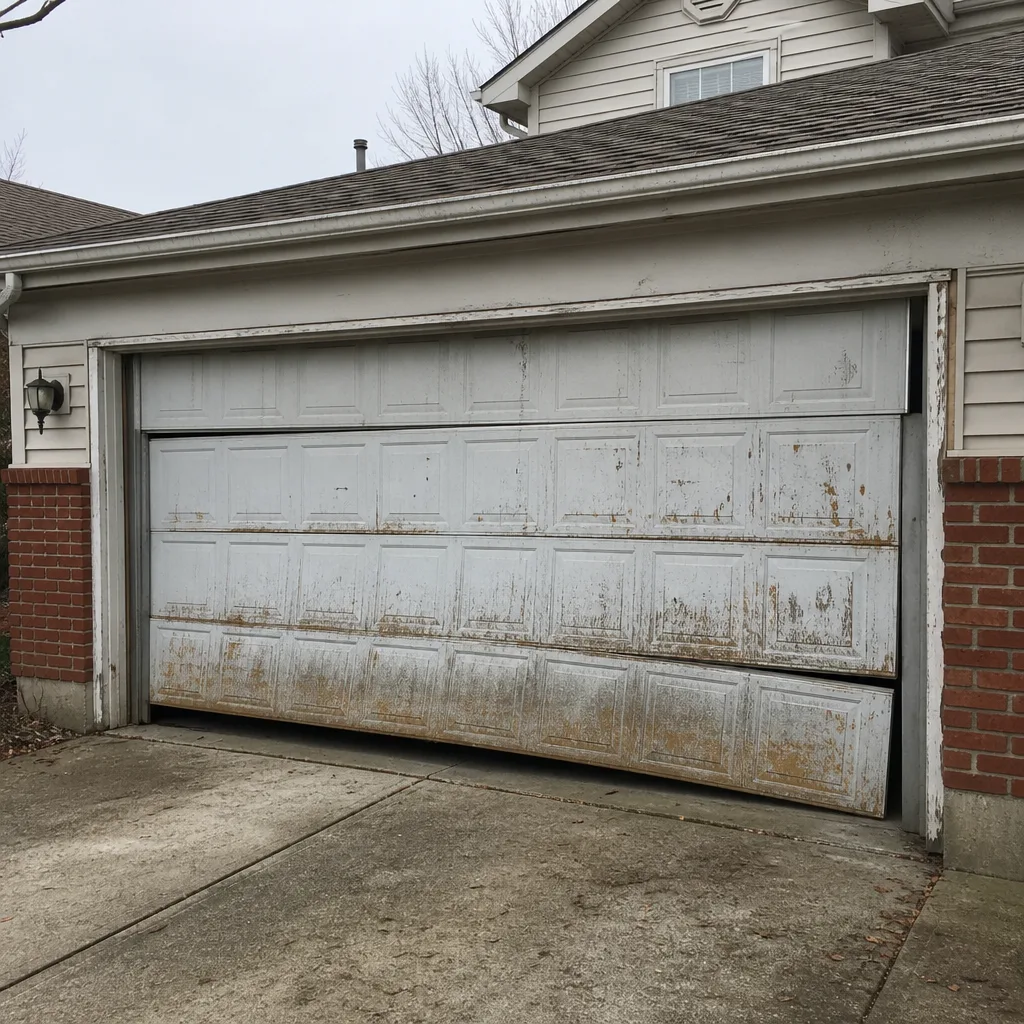
See the difference
 Before
 After
 Before
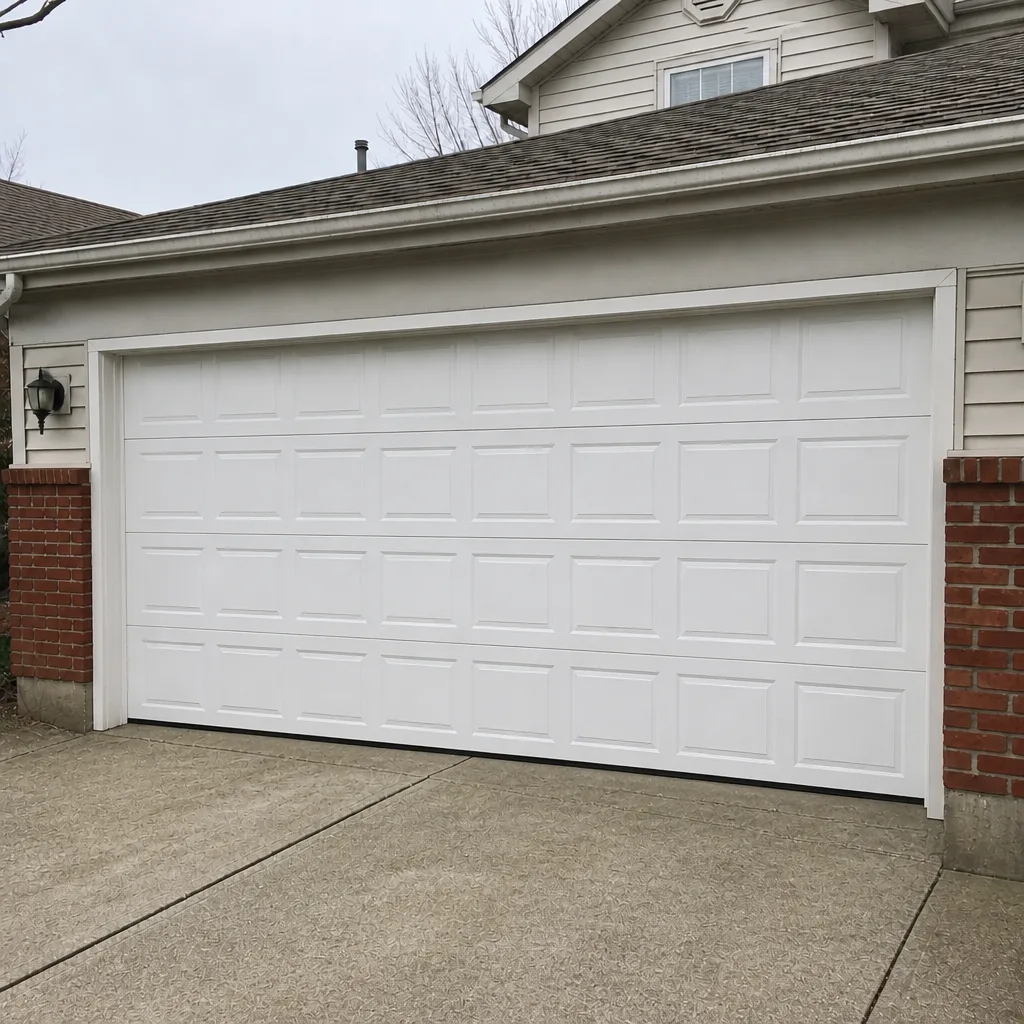 After
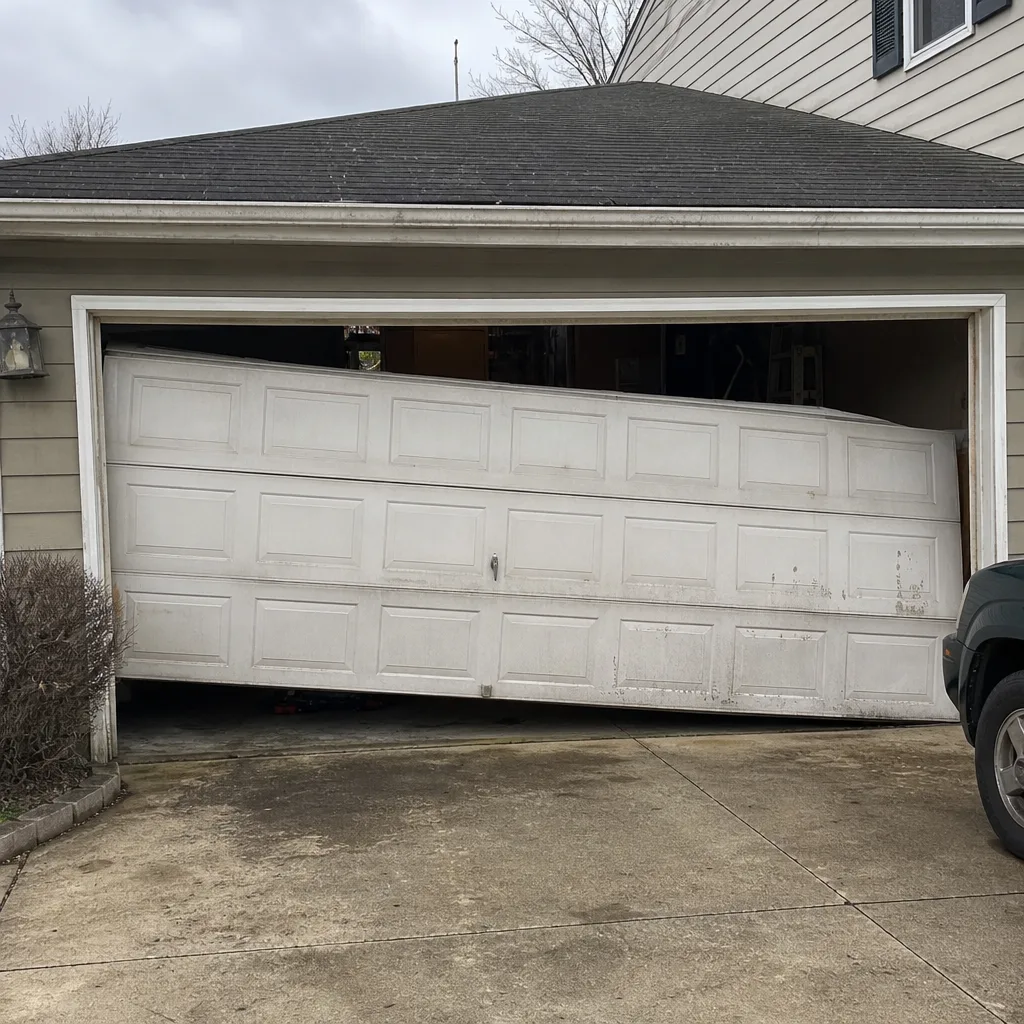 Before
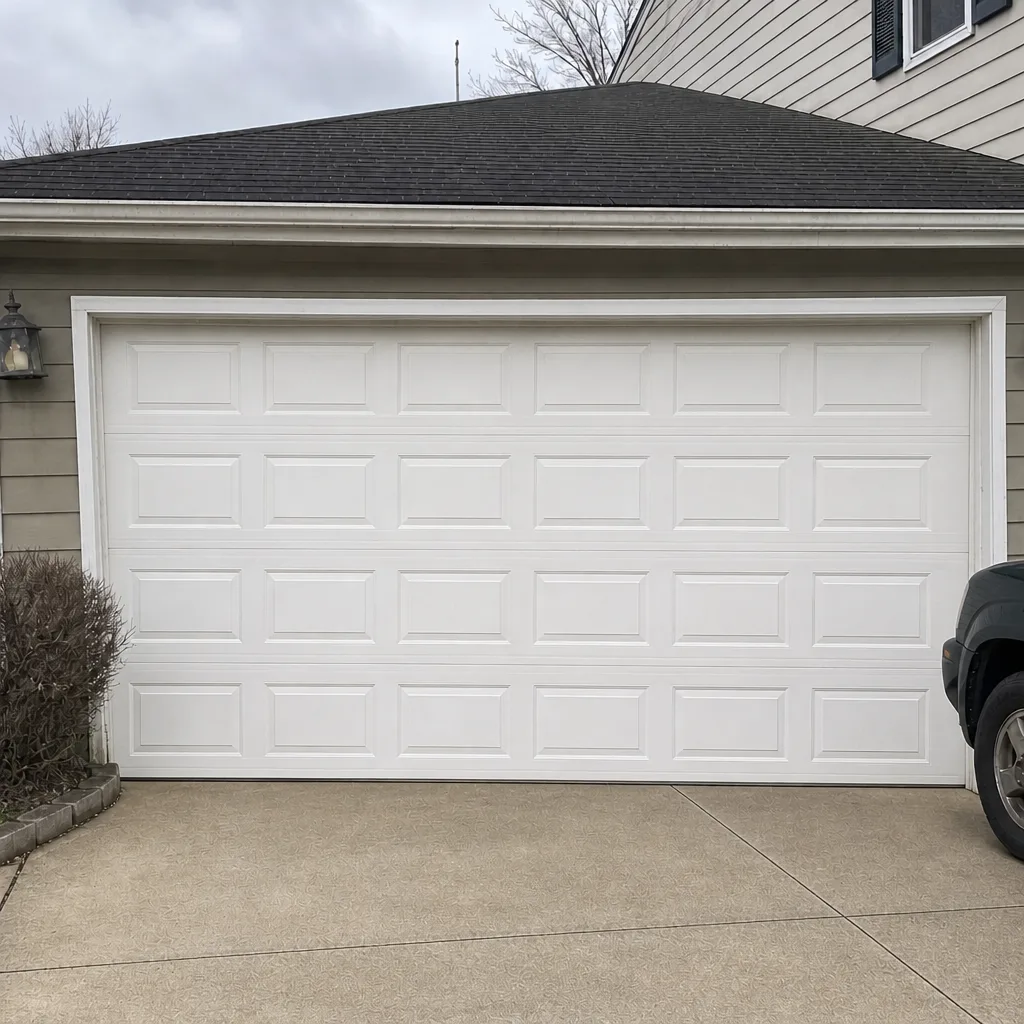 After
When to Call a Professional
Most of what’s on this checklist is a homeowner job. The moment you’re dealing with springs, cables, opener internals, or a track that’s out of plumb, it’s time to bring in a specialist. Call us if the door fails the balance test twice in a row, if you hear a loud snap from the torsion assembly, if the door reverses on the way up instead of down, if a cable looks frayed or has jumped its drum, or if the opener is making a new sound you can’t identify. Those are all signs that something needs a trained pair of hands. Our technicians have up to 8 years of experience with the full range of leading door and opener brands, and we can work with your insurer if a failure led to other damage. Hillcrest Garage Door Service offers free estimates in Fishers. Call (866) 810-7496. We answer 24/7, with fast dispatch from 7am to 7pm, Sunday through Friday.
Frequently Asked Questions
Twice a year is the right rhythm here, once in October before the first freeze and once in March after the thaw. That’s more than a mild climate would need, but Indiana’s freeze-thaw cycle is hard on springs, hinges, and seals. The monthly two-minute listen is what catches the surprises between those two visits.
You can and should handle lubrication yourself, using a silicone-based product or white lithium grease on the hinges, roller bearings, and spring shaft. Skip the tracks, and never use heavy grease or WD-40 as a door lubricant. If you’re not sure which points need it on your specific door, that’s a fair question to ask a technician during an inspection.
A door that suddenly feels much heavier, opens unevenly, or fails the balance test is the classic sign. On torsion springs, you may also hear a loud snap when they let go. Cold weather makes spring failures more likely in Fishers, so if a door starts behaving oddly in December or January, suspect the spring. Do not try to check it by hand. Call a technician.
Routine inspection and lubrication typically ranges from $80 to $200 depending on the system and what’s found. Repairs are quoted per job by a written estimate, and the price is set before any work starts, so there’s no surprise invoice later. Call (866) 810-7496 for an exact quote. Estimates are free.
It might, but it’s a gamble. The components that fail in cold weather are the ones that were already marginal in October, and a pre-winter inspection catches them while the fix is still small. Skipping October doesn’t make the door fail faster on its own, but it removes your chance to fix the weak spot before the hard freeze finds it.
We do same-day service on repairs whenever the schedule allows. Call (866) 810-7496. We answer 24/7, with fast dispatch from 7am to 7pm, Sunday through Friday. A call outside dispatch hours is booked into the next opening. Installation and replacement work is measured, ordered, and scheduled rather than same-day.
Yes, for a maintenance visit, since we’ll want to walk you through what we found and confirm any recommended work before we do it. For an installation or replacement, the measure and the installation are both scheduled appointments, and we’ll coordinate timing when the job is booked. Either way, we confirm the scope and the price with you before anything starts.
Stop using the door and call a technician. A door that reverses on the way up is usually dealing with a balance issue, a sensor problem, or an opener force setting that’s off, and running it repeatedly makes the underlying issue worse. It’s not a homeowner fix, and it’s worth getting looked at before it becomes a no-heat situation.
The Bottom Line
Most garage door failures in Fishers don’t come out of nowhere. They come from a small problem that nobody noticed in October. The five components on this list – rollers, hinges, springs, cables, and the opener’s drive system – fail in a predictable order on systems over seven years old, and the two tests that matter most, balance and reversal, take a couple of minutes each. Do those on the right schedule, lubricate with the right product, and know where the DIY line is. The rest is knowing when to call. We help homeowners across Fishers keep their doors working the way they should, and we’re glad to look at yours. Call (866) 810-7496 for a free estimate. We answer 24/7, with fast dispatch from 7am to 7pm, Sunday through Friday.
Written by the team at Hillcrest Garage Door Service.