
Last updated November 15, 2026
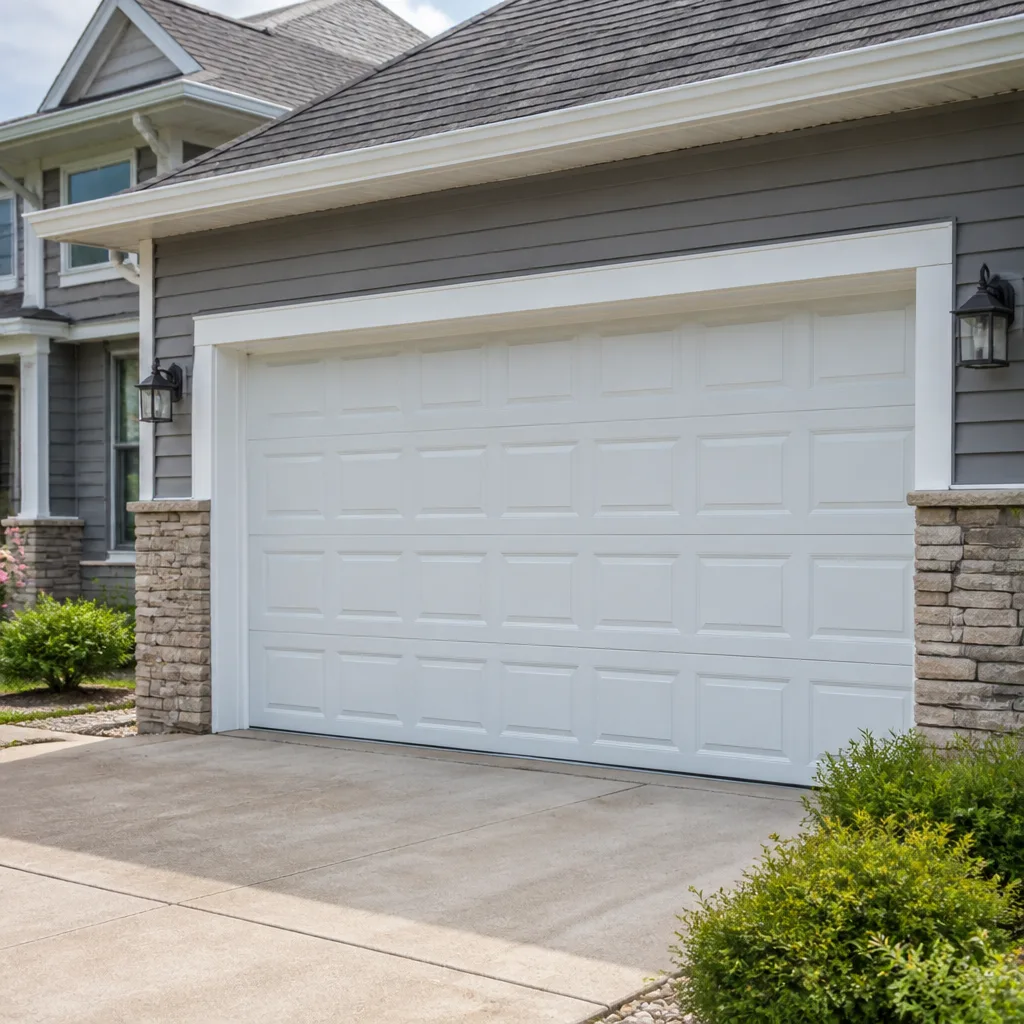 Raised-panel steel
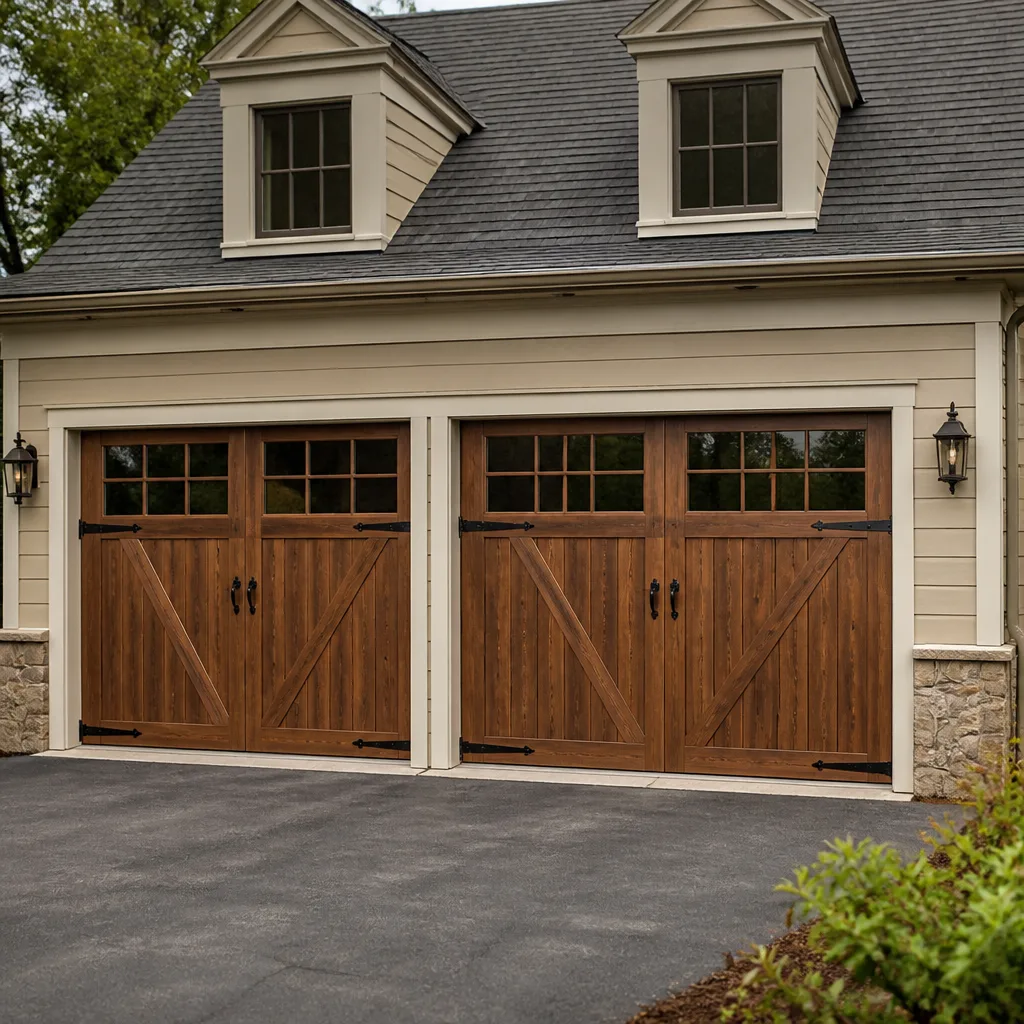 Carriage house
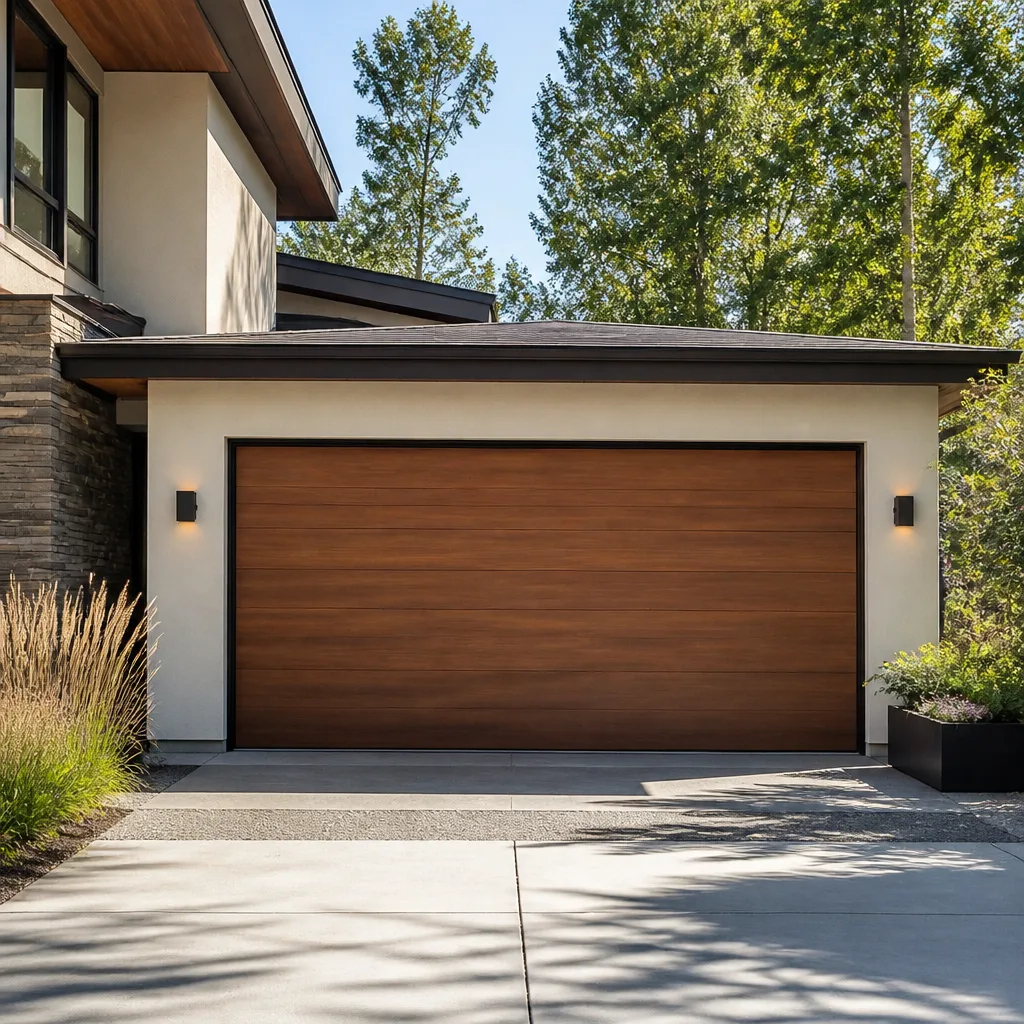 Modern flush
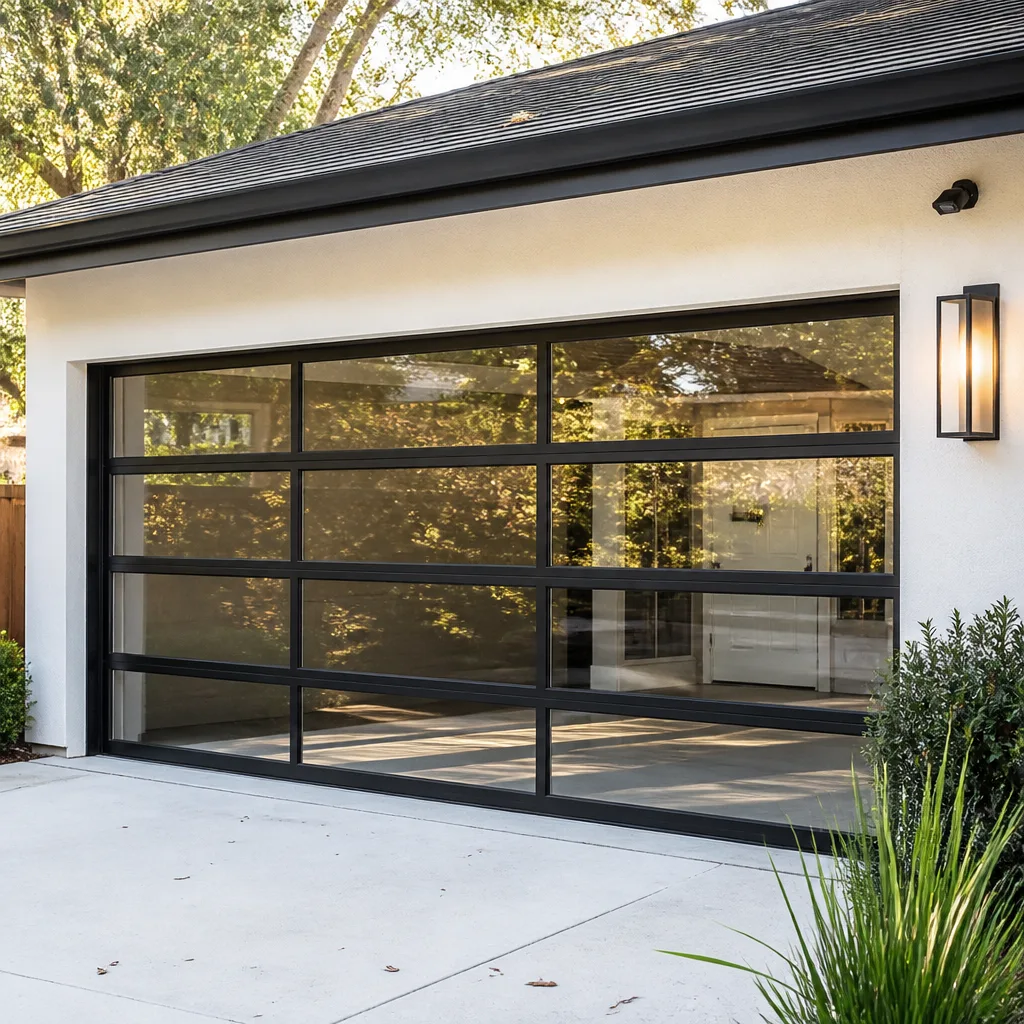 Full-view glass
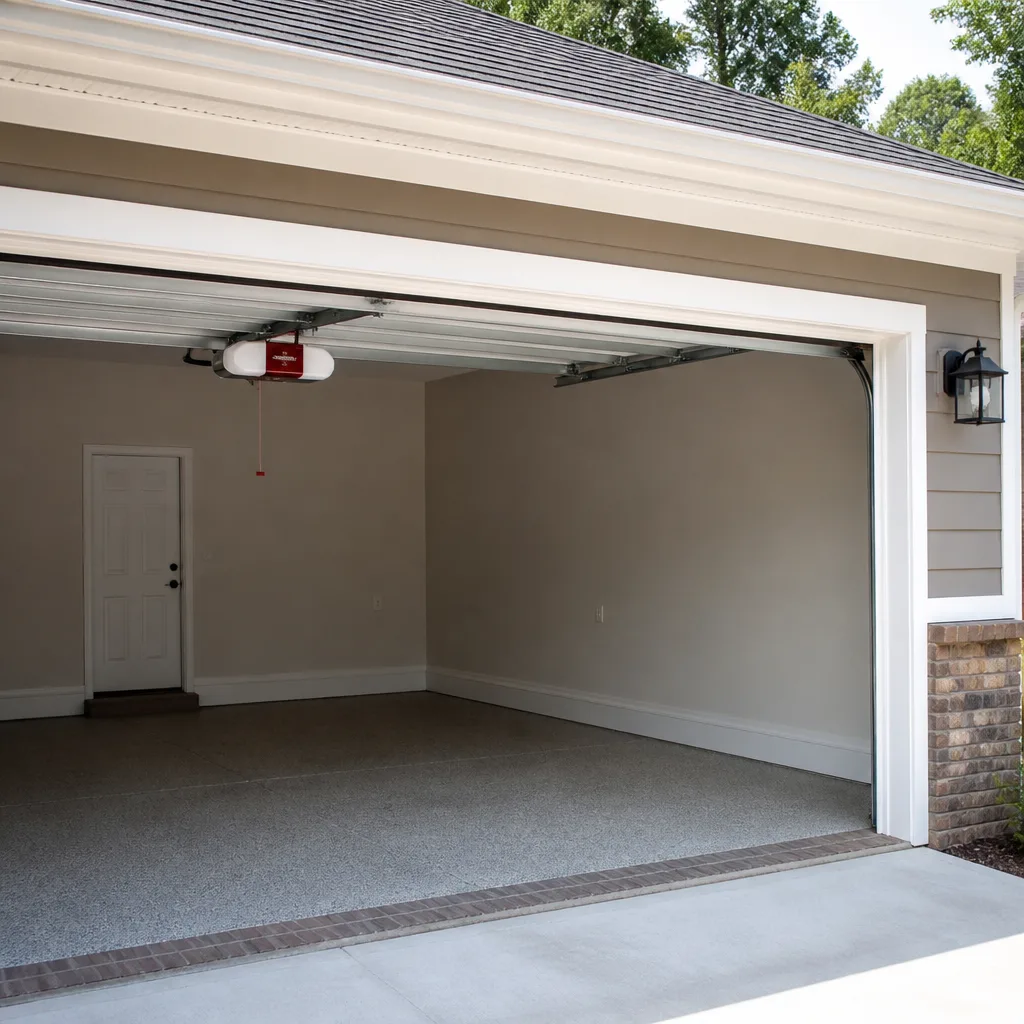 LiftMaster openers
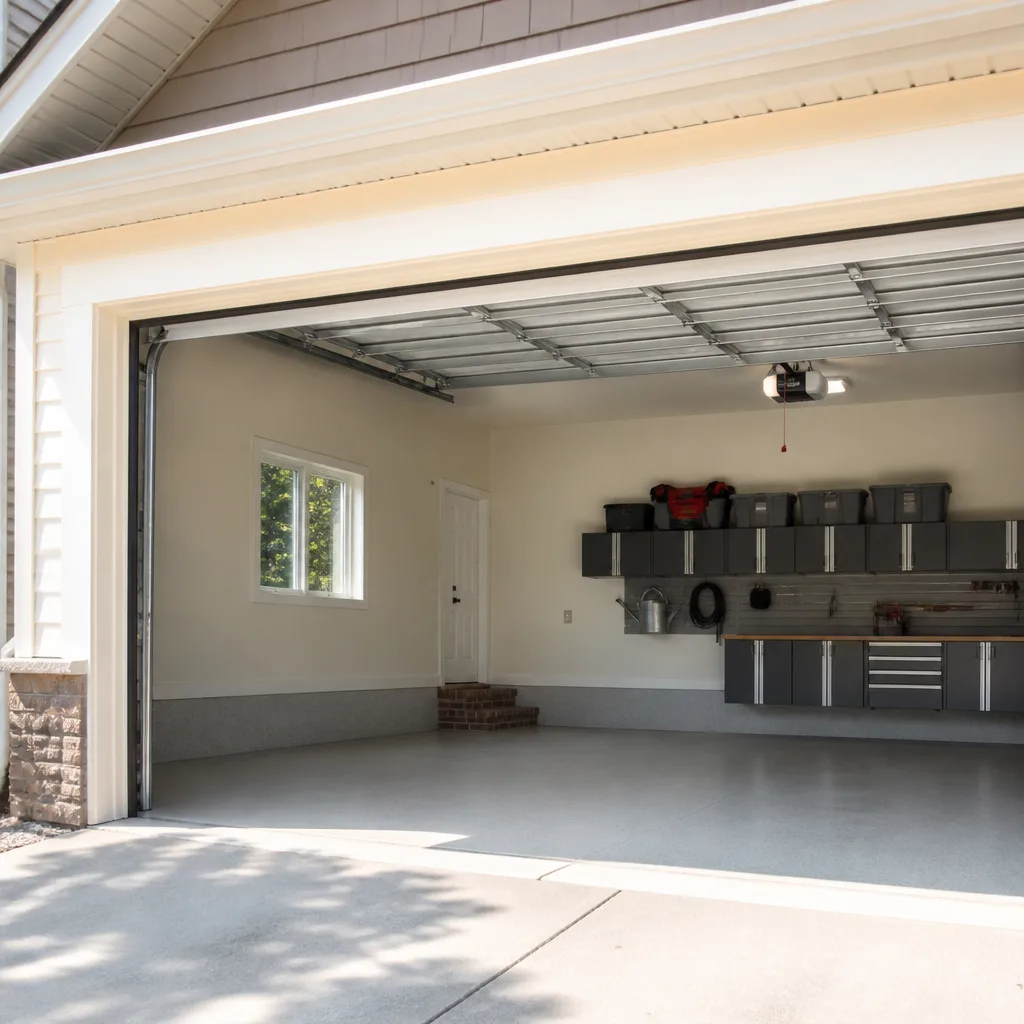 Chamberlain openers
Full 25-point door and opener safety check with every visit - springs, cables, rollers, tracks, and your LiftMaster or Chamberlain opener included
You get a price before we start. It does not change when the pro arrives.
Get your free estimateSeasonal Garage Door Care for Fishers: Year-Round Homeowner’s Guide
A garage door that runs perfectly in September can fail completely by January, and the gap between those two months is when Fishers homeowners have the narrowest window to prevent it. Most maintenance advice treats a garage door like a machine that wears out evenly, but it doesn’t. It wears out in bursts, and each burst is triggered by a different season. A door that faces Fishers’ freeze-thaw winter needs different attention than one facing the heat of a central Indiana July, and a checklist that ignores that split misses the failures we actually get called about. This guide breaks the year into four distinct threat environments and gives you a specific response to each, plus the two jobs that have to happen on a twelve-month cycle no matter what the calendar says.
Styles & brands we work with
- Raised-panel steel
- Carriage house
- Modern flush
- Full-view glass
- LiftMaster openers
- Chamberlain openers
Quick Answer
Seasonal garage door care in Fishers means matching your maintenance to the season’s specific failure mode: pre-winter prep before the first freeze, careful handling of a frozen bottom seal in winter, a spring-and-cable inspection once the thaw comes, and heat monitoring of the opener in summer. The two year-round tasks that matter most are lubricating moving metal parts on a schedule and testing the safety reverse twice a year. Miss the seasonal shifts and you’ll usually pay for it at the worst possible moment.
Table of Contents
- Why Fishers’ Four Seasons Are Four Different Threat Environments
- Fall in Fishers: The Pre-Winter Prep Window
- Winter: Handling a Door That’s Frozen to the Ground
- Spring: The Highest-Risk Season for Springs and Cables
- Summer: Heat, Circuit Boards, and Opener Behavior
- The Two Tasks That Must Happen Every Twelve Months
- A Simple Four-Season Inspection Calendar
- Common Mistakes to Avoid
- When to Call a Professional
- Frequently Asked Questions
Why Fishers’ Four Seasons Are Four Different Threat Environments
Fishers sits in central Indiana, which means it gets the full range: humid summers, hard winter freezes with repeated thaw cycles, and a spring that swings between warm days and cold nights. For a garage door, that’s four distinct physical environments acting on the same equipment. The metal expands and contracts. The lubrication thins in heat and thickens in cold. The bottom seal goes from baking in the sun to sitting in a puddle of meltwater. The opener motor runs in an unheated, un-air-conditioned box that can be well colder or hotter than the house it’s attached to.
A door in Fishers is effectively asked to perform in four different climates every year. The failure modes follow directly from that:
- Fall and early winter: cold shrinkage tightens tolerances, stiff grease drags on rollers, and the freeze-thaw cycle forces moisture into places it shouldn’t sit.
- Deep winter: ice bonds the bottom seal to the slab, and a door that’s forced up takes the strain into the bottom section and the opener.
- Spring: after a winter of cycling under load in cold, springs and cables are at their most fatigued just as homeowners start using the door more.
- Summer: heat stresses opener electronics and can make a marginal circuit board fail outright.
That’s the counterintuitive part. The season that feels hardest on a door, winter, isn’t automatically the season it fails most. It’s the season that sets up the failure. Treat each season as its own environment and you stop reacting to breakdowns and start preventing them. Whether your system is a LiftMaster opener on a Clopay door or a Craftsman unit on a Raynor, the seasonal physics are the same. For a full picture of how we approach repairs across the area, see our garage door repair page.
Fall in Fishers: The Pre-Winter Prep Window
The single most useful timing rule for fall prep in Fishers is this: get it done before the first hard freeze, not after. Once overnight temperatures drop below freezing consistently, the moisture in and around your door hardware starts freezing in place, and a job that was a five-minute lubrication in October turns into a defrost-and-wait project in December. The goal of fall prep is to remove the friction and the trapped moisture before winter locks everything down.
Here’s the pre-winter sequence we recommend, in order:
- Lubricate the moving metal. Rollers, hinges, the torsion bar bearings, and the track where the rollers ride all benefit from a proper garage door lubricant. This is the step that prevents the stiff, dragging operation that cold weather exaggerates.
- Inspect and clean the bottom seal. A cracked or flattened seal lets cold air and moisture in right at the slab. Clear out any debris and check that the seal still makes contact evenly across the whole width.
- Check the weatherstripping around the frame. Gaps at the sides and top let meltwater and drafts in through winter. If the strips are brittle, they’ll let air through all season.
- Test the balance of the door. Disconnect the opener and lift the door halfway by hand. A properly balanced door should stay put. If it drops or rises on its own, the springs are working too hard or too little, and that’s easier to catch now than in January.
- Test the safety reverse. Put an object in the door’s path and confirm it reverses on contact. Do the same with the photo-eye sensors.
- Clear the tracks of grit. Debris that collects over summer turns into a grinding paste once it mixes with winter moisture.
Nowhere in that list is there a step that says “tighten the springs yourself.” Springs are under high tension and can cause serious injury if handled without the right tools and training. Fall prep on your side of the system is cleaning, lubricating, and inspecting. Leave the springs to a trained professional. For the opener side of fall prep, our garage door opener repair page covers what a failing unit looks like before it quits.
Winter: Handling a Door That’s Frozen to the Ground
If your garage door is frozen to the ground, don’t force it. That’s the whole answer, and it matters more than any other winter advice. Forcing a bonded door is how homeowners crack bottom sections, tear the seal loose, and strip opener gears in a single motion. The opener is the part most likely to suffer, because it doesn’t know the door is stuck. It just keeps pulling or pushing, and the gear train or the drive mechanism takes the abuse.
Here’s what to do instead, in order:
- Release the opener first. Pull the manual release so the drive isn’t fighting the stuck door. This alone prevents most opener damage.
- Break the bond gently. Use a plastic scraper or a stiff broom to work along the bottom edge where the seal meets the slab. Warm water along the seal line helps loosen ice without a sharp tool.
- Lift by hand slowly. Once it’s free, raise it manually and feel for resistance. If it still drags, stop and look for ice in the tracks.
- Re-engage the opener only after the door moves freely. Run it once or twice to confirm smooth operation.
Fishers winters bring repeated freeze-thaw cycles, and that’s what makes ice bonding so common here. Slab meltwater runs back under the seal, freezes overnight, and glues the door down by morning. Two habits cut down how often that happens: keep the seal in good shape going into winter, and clear any snow or slush that piles against the bottom before it refreezes. If a door has frozen and been forced more than once, have the opener checked, since gear damage from forced operation often shows up weeks later as a door that runs unevenly or stops halfway. If your door is stuck right now, call (866) 810-7496. We answer 24/7. Fast dispatch from 7am to 7pm, Sunday through Friday.
Spring: The Highest-Risk Season for Springs and Cables
Post-winter is the highest-risk season for spring and cable failures, and the reason is cumulative fatigue. A torsion or extension spring spends all winter cycling under load in cold temperatures, where metal is less forgiving. The door opens and closes dozens of times a week, and the spring stretches and relaxes that many times too. By the time spring arrives, the spring has absorbed a full season of that stress. Then homeowners start using the door more, and the weakest component gives out.
Cables fail on a similar curve. They run through pulleys and drums under tension all winter, and any rust or fraying that started in the cold months gets worse fast once the door is cycling more often.
Before you resume normal use in spring, inspect these things, with your eyes only:
- Spring condition: look for a visible gap in a torsion spring or a stretched, sagging extension spring. A broken spring means the door should stay down until it’s repaired.
- Cable condition: check for fraying, kinks, or a cable that’s come off its drum. A loose or snapped cable makes the door unsafe to operate.
- Roller wear: worn rollers get flat spots and make the door noisy and jerky.
- Track alignment: look for dents or bends in the track that would catch a roller.
- Door balance: repeat the halfway test from fall. A door that no longer holds position signals spring trouble.
If you see a broken spring or a damaged cable, don’t run the door and don’t try to replace either one yourself. Both are under extreme tension and can cause serious injury. This is a job for a trained technician with the right tools. Spring and cable work is exactly the kind of repair our technicians handle, and they have up to 8 years of experience matching the fix to the specific system in your home, whether that’s a Wayne Dalton door or a LiftMaster opener.
Summer: Heat, Circuit Boards, and Opener Behavior
Summer heat is hard on the opener more than the door. A garage in Fishers in July gets hot, often hotter than the outdoor air, because the door and roof soak up sun all day and there’s no air conditioning. That heat sits directly around the opener’s motor and its control board. Electronics that worked fine in April can start behaving oddly in July, and a circuit board that was already marginal can fail outright.
Different opener types handle that heat differently:
- Belt-drive openers run quieter and tend to be less affected by heat because there’s less metal-to-metal contact, but the belt itself can loosen slightly in high heat, which shows up as a door that doesn’t open or close all the way.
- Chain-drive openers are durable but noisier, and the chain can stretch a little in heat, which sometimes means an adjustment is needed.
- Direct-drive and screw-drive systems have fewer moving parts to expand, but the motor and board still sit in the same hot box. When a direct-drive opener starts acting erratically in summer, the control board is usually the first suspect.
The practical summer habits are simple. Keep the garage ventilated when you can. Don’t stack boxes or storage against the opener, since that traps heat around it. If your opener starts doing things it never did before, like reversing for no reason, losing its travel limits, or failing to respond to the remote, note the timing. A problem that only shows up on hot afternoons is a strong clue that heat is involved. That’s worth a diagnostic rather than a guess. Any brand we service, from Chamberlain to Genie to Craftsman, gets the same heat-related check when the symptom fits.
The Two Tasks That Must Happen Every Twelve Months
Seasonal care handles what changes month to month. Two tasks ignore the season entirely and have to happen on a fixed twelve-month cycle. Miss either one and you’re shortening the life of components that don’t need to wear out early.
Task one: lubrication on a schedule. Not “when it starts squeaking,” which is always after the damage has begun, but on a set interval. Lubricate the rollers, hinges, bearings, and track on a fixed schedule, and you prevent the friction that accelerates roller and bearing wear. Squeaking is a symptom, not a starting gun. Set a reminder and do it whether the door is quiet or not.
Task two: safety reverse testing twice a year. The safety reverse and the photo-eye sensors are the two features that protect anyone standing under or near a closing door. They can drift out of adjustment slowly and won’t announce it. Test both every six months, ideally at the same time you do your smoke detector checks so it’s easy to remember. If either fails, treat it as a stop-using-the-door issue until it’s fixed.
Those two tasks, done consistently, are the difference between a door that lasts and a door that fails early. Everything else is seasonal. If you’d rather have a professional handle the yearly service while also checking the springs, cables, and opener in person, that’s what we do. Hillcrest is a garage door specialist, and every tool and part decision we make is pointed at one trade. Learn more about Hillcrest Garage Door Service and what we cover.
A Simple Four-Season Inspection Calendar
Here’s the whole guide condensed into a calendar you can actually follow. This is the short version of what each season asks of you.
- Fall (before the first freeze): Lubricate all moving metal. Inspect and clean the bottom seal and frame weatherstripping. Test door balance with the opener released. Test safety reverse and photo-eyes. Clear grit from the tracks.
- Winter: Keep the bottom seal clear of snow and slush. If the door freezes down, release the opener, free the seal gently, and lift by hand before re-engaging. Never force a stuck door.
- Spring: Inspect springs and cables by eye. Check rollers for flat spots and tracks for bends. Re-test balance. Book a professional inspection if anything looks off before resuming heavy use.
- Summer: Keep the garage ventilated and clear around the opener. Watch for heat-related opener symptoms. Note any behavior that appears only on hot days.
- Every twelve months, on a fixed cycle: Full lubrication schedule and two safety reverse tests, spaced six months apart.
That’s roughly ten minutes of your own attention per season, plus one or two professional visits when something needs trained eyes. For a community like Fishers, where the seasonal swings are wide and consistent, that small amount of attention goes a long way toward avoiding the breakdowns we see most. You can read more about the area we serve on our Fishers page.
Common Mistakes to Avoid
- Waiting for a symptom before lubricating. By the time a door squeaks or grinds, the wear has already started. In Fishers, that squeak usually shows up on the first cold morning, which means fall lubrication should already be done.
- Forcing a frozen door up with the opener engaged. This is the single most common opener-killer we see in winter. Release the opener first, every time.
- DIY spring or cable work. Springs and cables are under extreme tension and can cause serious injury. It’s not a job worth saving a service call on, and it’s not a job for a homeowner with hand tools.
- Skipping the spring inspection in spring. Spring is when fatigue shows up. Inspecting before heavy use catches a failing spring while it’s still a repair rather than a jammed door.
- Ignoring heat-related opener symptoms in summer. A board that only misbehaves on hot days is still failing. Catch it before it strands the door closed.
- Treating the garage as a storage room against the opener. Blocking airflow around the opener traps heat in summer and invites the exact electronics problems you’re trying to avoid.
- Testing the safety reverse only once. Sensors drift slowly. Twice a year is the minimum, not a suggestion.
When to Call a Professional
Some seasonal care is yours to handle, and some belongs with a trained technician. Call us if you see a broken spring, a frayed or snapped cable, a door that’s come off its track, or a bottom section damaged by a forced frozen door. Call if the door won’t balance by hand, if the opener’s photo-eye sensors won’t stay adjusted, or if the opener has started behaving unpredictably in ways that match heat or cold. And call if a door has been forced more than once after freezing, since gear damage often surfaces later. If you’re unsure whether a symptom is seasonal or a real failure, that’s worth a diagnostic too. Hillcrest Garage Door Service offers free estimates in Fishers. Call (866) 810-7496. We answer 24/7. Fast dispatch from 7am to 7pm, Sunday through Friday. Every price is quoted and agreed before any work starts, so you’ll know the cost before we begin.
Frequently Asked Questions
Do it before the first hard freeze, not after. Once overnight temperatures stay below freezing, moisture around your hardware begins to freeze in place and routine lubrication turns into a bigger job. Aim to have the lubrication, seal inspection, and balance test done in early fall, with a buffer before the first freeze. Call (866) 810-7496 for an exact quote if you want a professional to handle the pre-winter check. Estimates are free.
No. Stop pressing the opener and pull the manual release first. The opener doesn’t know the door is stuck, and forcing it can damage the gear train or drive mechanism. Free the bottom seal gently with a plastic scraper and warm water, then lift the door by hand before re-engaging the opener. If it’s been forced already, have the opener checked.
Because spring is when a full winter of cumulative fatigue catches up with them. A spring cycles under load in cold temperatures all winter, and by the time homeowners start using the door more in spring, the weakest point gives out. That’s why a spring and cable inspection matters before you resume heavy use. If a spring is broken, keep the door down until it’s repaired.
Yes. The opener sits in an unheated garage that gets hotter than outdoor air in a Fishers summer, and that heat stresses the motor and control board. Belt-drive, chain-drive, and direct-drive systems all handle it differently, but any opener that starts behaving erratically only on hot days is telling you something. Keep the garage ventilated and clear space around the opener, and call (866) 810-7496 for a diagnostic if symptoms appear.
Lubrication on a fixed schedule and safety reverse testing twice a year. Lubrication prevents the friction that wears out rollers and bearings, and testing the safety reverse and photo-eyes protects anyone near a closing door. Both matter regardless of season. If you’d rather a professional handle these alongside a spring and cable check, our team at Hillcrest can do it.
Our technicians are licensed and insured, and they have up to 8 years of experience working on the equipment in your home. Because Hillcrest focuses only on garage doors, every technician hour and every part decision is pointed at that one system, whether you have a Chamberlain opener, a Craftsman unit, a Raynor door, or a LiftMaster system. Call (866) 810-7496 for a free estimate.
The Bottom Line
Treat Fishers’ four seasons as four different threat environments and your garage door care stops being a generic checklist. In fall, get the lubrication, seal inspection, and balance test done before the first freeze. In winter, never force a frozen door; release the opener and free the seal gently. In spring, inspect springs and cables before heavy use, since that’s when winter’s fatigue shows up. In summer, watch the opener for heat-related symptoms. And year-round, keep lubrication on a fixed schedule and test the safety reverse twice a year. Do those things and you’ll spend less time reacting to breakdowns and more time with a door that just works. If you need a hand with any of it, call (866) 810-7496. We answer 24/7. Fast dispatch from 7am to 7pm, Sunday through Friday. Every estimate is free, and the price is set by a written quote before any work starts.
Written by the team at Hillcrest Garage Door Service.
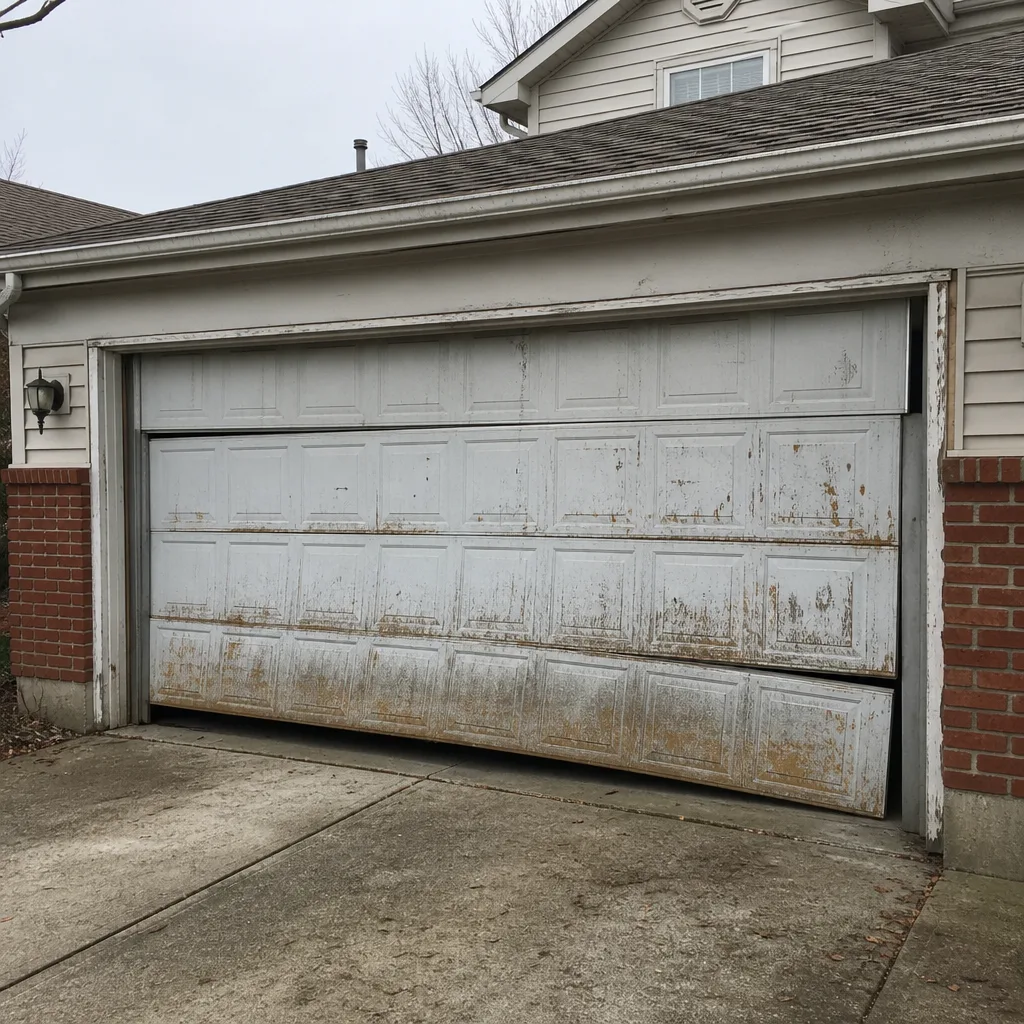
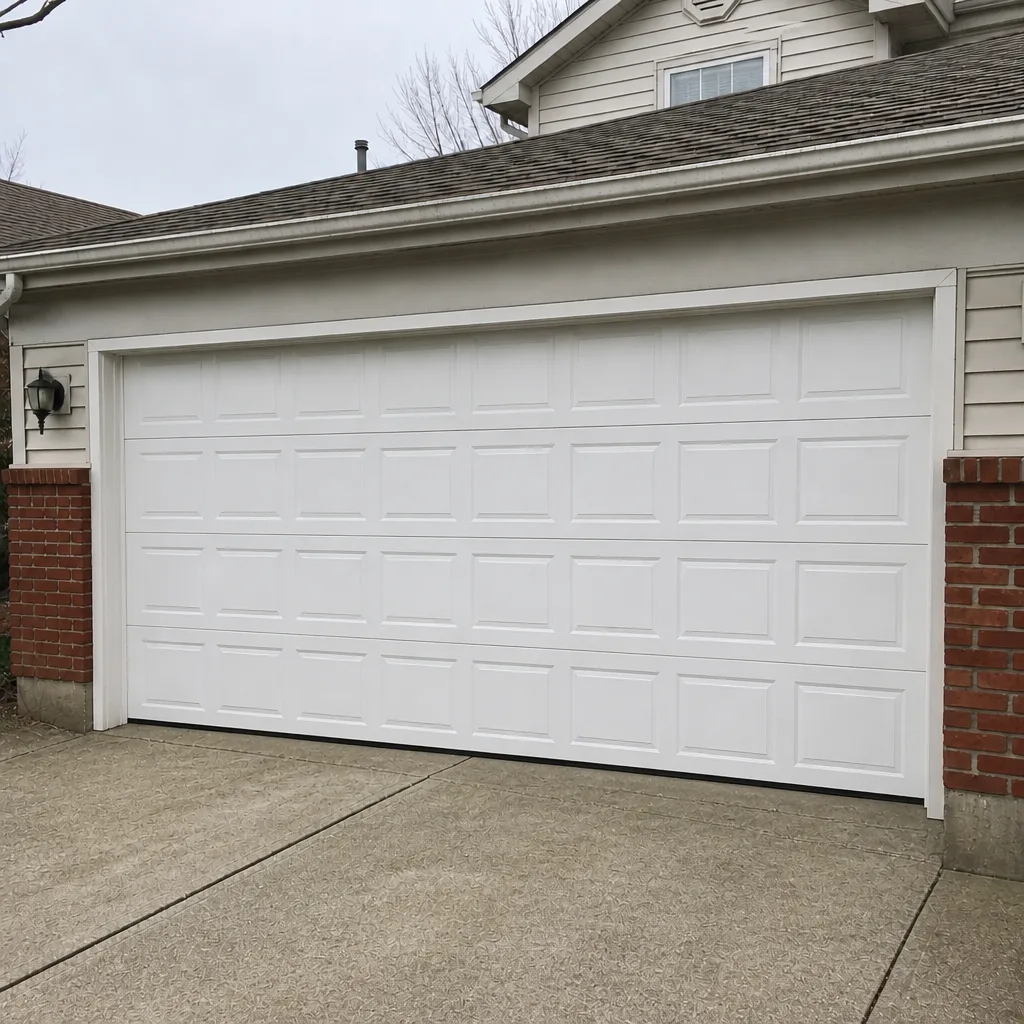
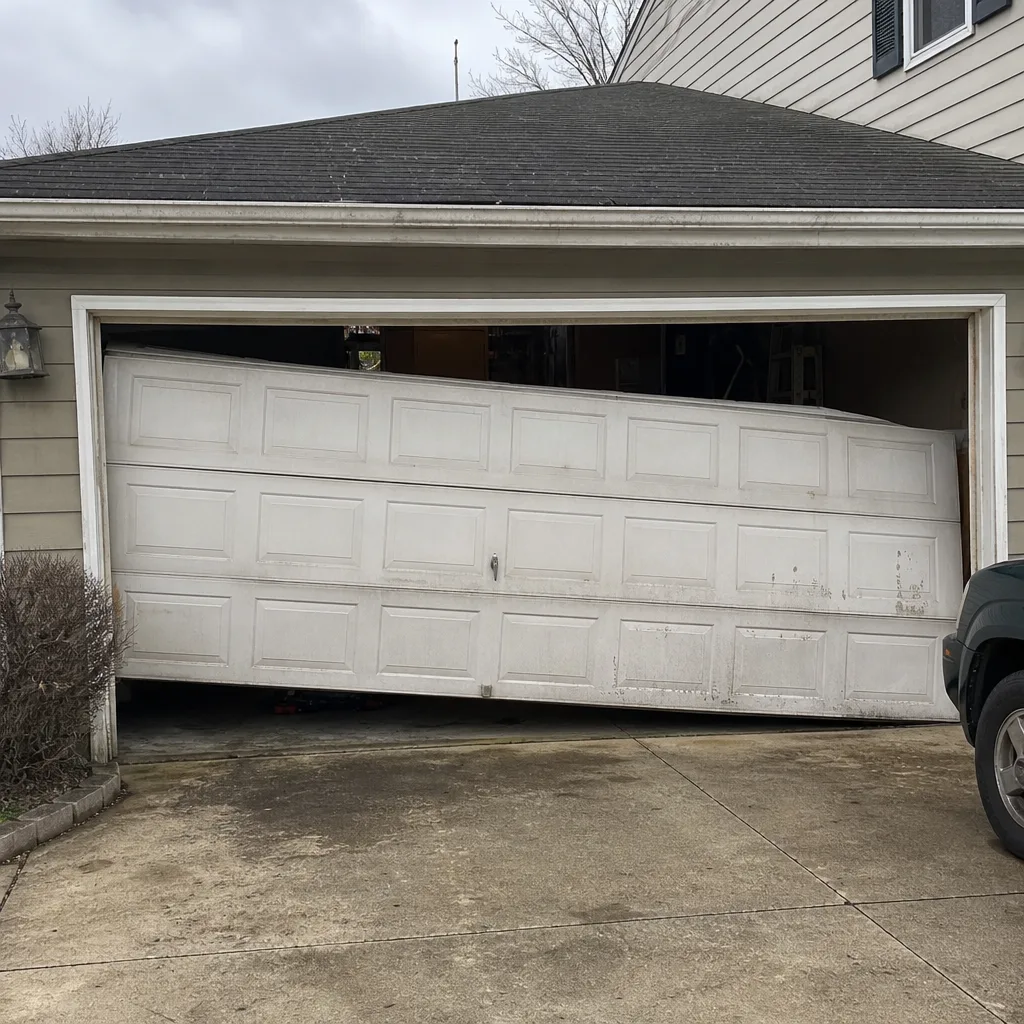
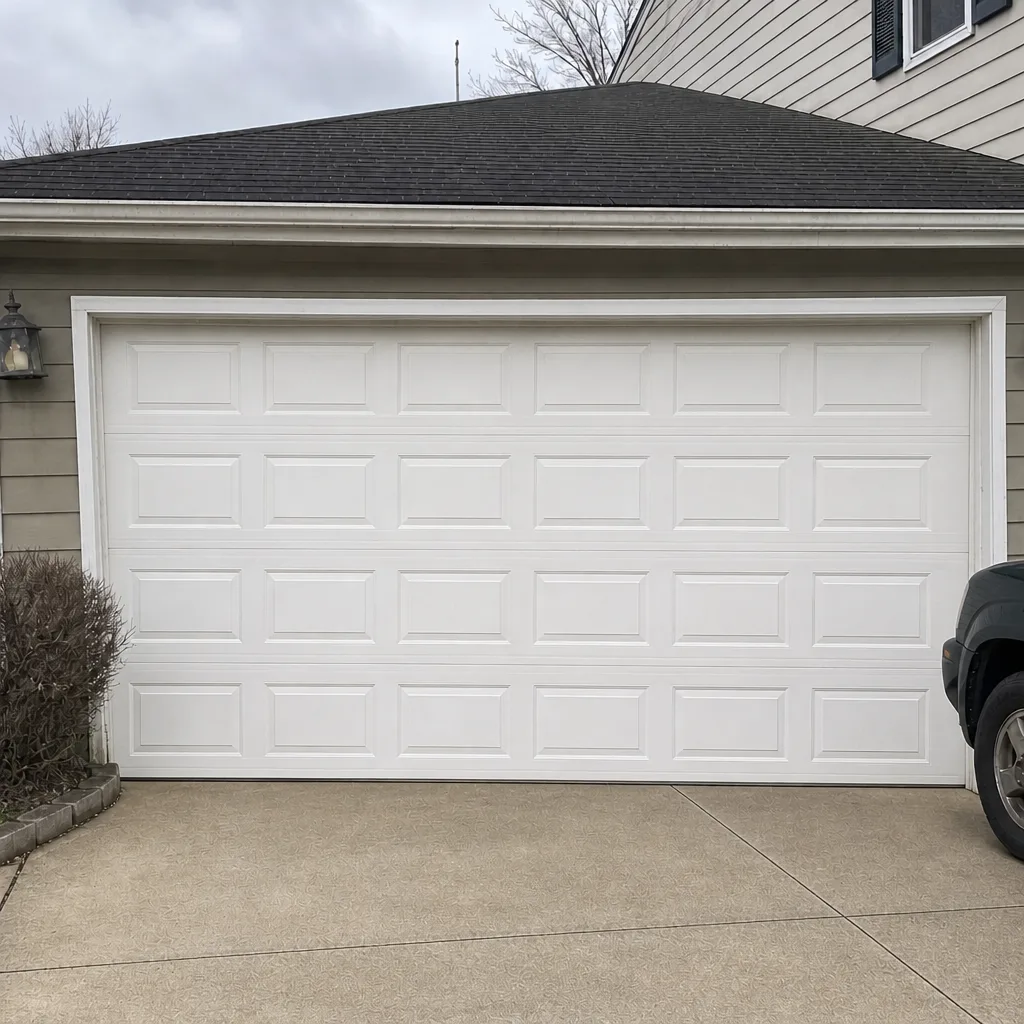
See the difference
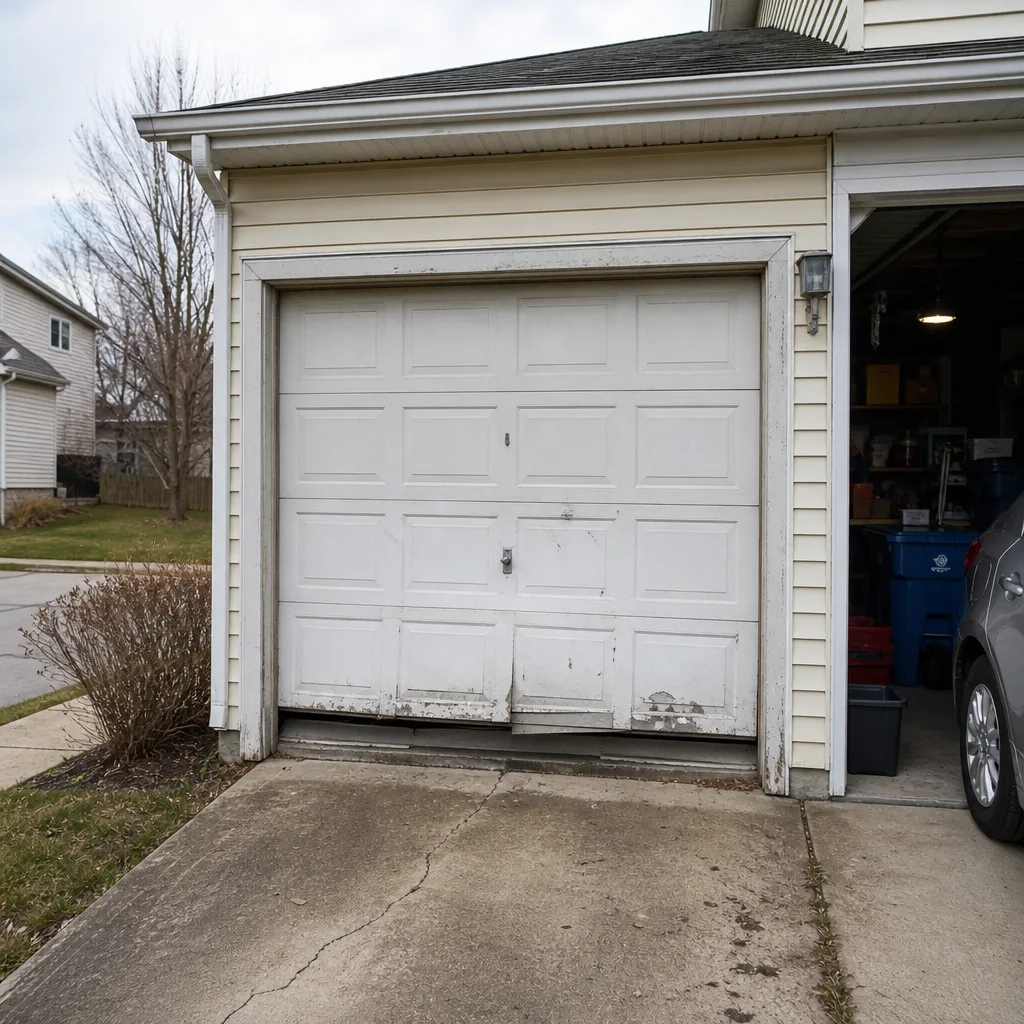 Before
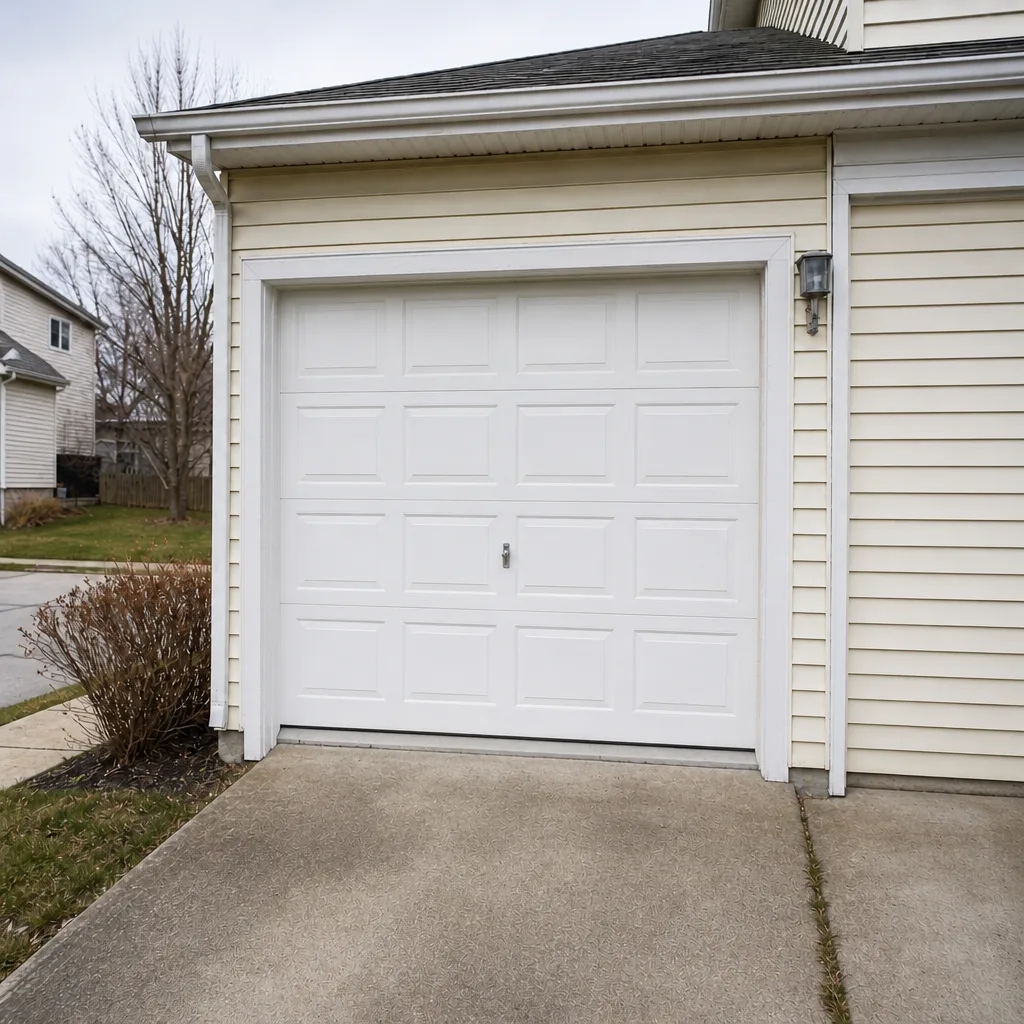 After
 Before
 After
 Before
 After